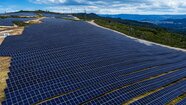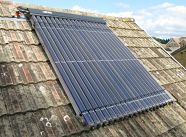

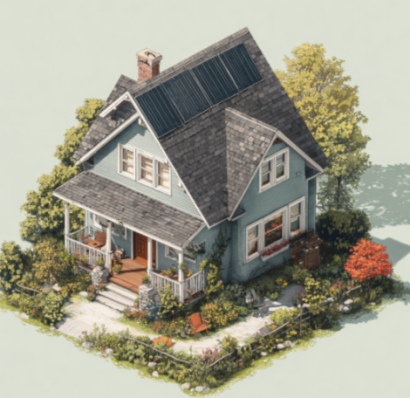
Extreme weather events like hurricanes and heavy storms can severely disrupt sustainable installations and threaten the integrity of sustainable systems. For example, renewable energy source like solar panels can suffer significant damage from high winds and flying debris, reducing their efficiency or rendering them completely inoperable. Additionally, green roofs are designed for stormwater management and insulation, but they may become overwhelmed during intense rainfall, leading to potential structural damage and drainage issues.
Vulnerabilities in these systems often arise from improper installation or insufficient durability against extreme conditions. For instance, inadequately secured solar arrays may detach during high winds, while green roofs lacking proper drainage systems retain excess water, leading to leaks and structural concerns. Understanding these vulnerabilities equips homeowners to take proactive measures, ensuring their sustainable efforts withstand the test of intense storms.
Maintaining a resilient home against devastating storms is vital for sustaining eco-friendly efforts. Homeowners can implement various protective measures to safeguard their properties and ensure their sustainability initiatives remain intact.
Regular professional inspections and maintenance are imperative for a roof that can withstand severe weather. Homeowners should check for loose shingles, worn flashing and debris buildup and eliminate areas where water may pool. Preparing roofs for hurricanes involves reinforcing them with straps and ensuring adequate sealing and properly tightened fixtures to minimize water intrusion.
Gutters play a notable role in sustainability, directing rainwater away from foundations and preventing water damage. Well-maintained gutters help manage stormwater runoff, reducing flooding risk and preserving the surrounding landscape.
Adding wind-resistant features like straps and impact-rated windows raises protection levels. These technologies can significantly decrease storm damage, ensuring homes remain safe while reducing repairs and their associated costs. Taking these preventive measures means homeowners can enhance the resilience of their sustainable living spaces against severe storms.
Effective tree maintenance and thoughtful landscaping play pivotal roles in mitigating storm damage. Keeping trees trimmed prevents long branches from snapping during high-velocity winds, reducing the risk of damage to homes and their infrastructure. Additionally, eco-friendly landscaping options like planting native species and installing rain gardens enhance stormwater resilience.
Native plants are better adapted to local weather conditions, require less maintenance and help absorb excess rainwater. Heavy storms hence produce less runoff. Integrating permeable surfaces like gravel or pavers can also facilitate drainage and reduce flooding risks. These strategies promote sustainable practices and resilience against extreme weather events, protecting homes more effectively.
After experiencing storm damage, homeowners should prioritize eco-friendly repairs and restorations that enhance resilience and minimize environmental impact. Utilizing low-VOC paints, reclaimed wood and other sustainable materials supports a healthier indoor environment while reducing waste.
During the repair process, integrating renewable energy solutions is advisable. These aid in rebuilding and provide long-term power savings and sustainability. By embracing these eco-friendly practices, homeowners can turn recovery efforts into opportunities for greater resilience.
Severe storms highlight the interconnectedness of home preparedness and sustainability efforts. By proactively implementing protective measures — strengthening roofs, maintaining gutters and choosing eco-friendly materials — homeowners can safeguard their homes against the impacts of climate change. Embracing these proactive steps enhances resilience and supports the ongoing pursuit of sustainability from stormy sabotage.