

EGS is the next generation of geothermal technology, meant to unlock geothermal energy in regions beyond where conventional geothermal resources exist.
Together, SLB and Ormat intend to streamline project deployment, from concept to power generation. As part of this effort, they will develop, pilot and scale EGS solutions to enable wide-scale EGS adoption. This collaboration will include the design and construction of an EGS pilot at an Ormat site.
Key Highlights:
“There is an urgent need to meet the growing demand for energy driven by AI and other factors. This requires accelerating the path to clean and reliable energy,” said Gavin Rennick, president of New Energy at SLB.
“By partnering with Ormat, we will work to make both traditional hydrothermal and EGS technologies truly competitive and commercially viable systems that can scale quickly to meet global energy demand through the coming decades. Our EGS pilot project will serve as a critical platform to address both technical and economic challenges, significantly de-risking and broadening the commercial application of EGS.”
The first joint demonstration project will fast-track the development of a complete set of new technologies and techniques needed for EGS, as well as optimizing integration with surface facilities to maximize production and sustainability.
“Ormat is pleased to partner with SLB to accelerate the development and deployment of integrated geothermal assets and next-generation EGS solutions,” said Doron Blachar, Chief Executive Officer of Ormat Technologies. “As the global energy transition progresses AI-driven demand increases, scalable and sustainable energy solutions are more critical than ever. By bringing together the world's leading experts in subsurface and geothermal power plant technologies, Ormat and SLB will accelerate the path to rapid deployment of commercial scale EGS facilities.”
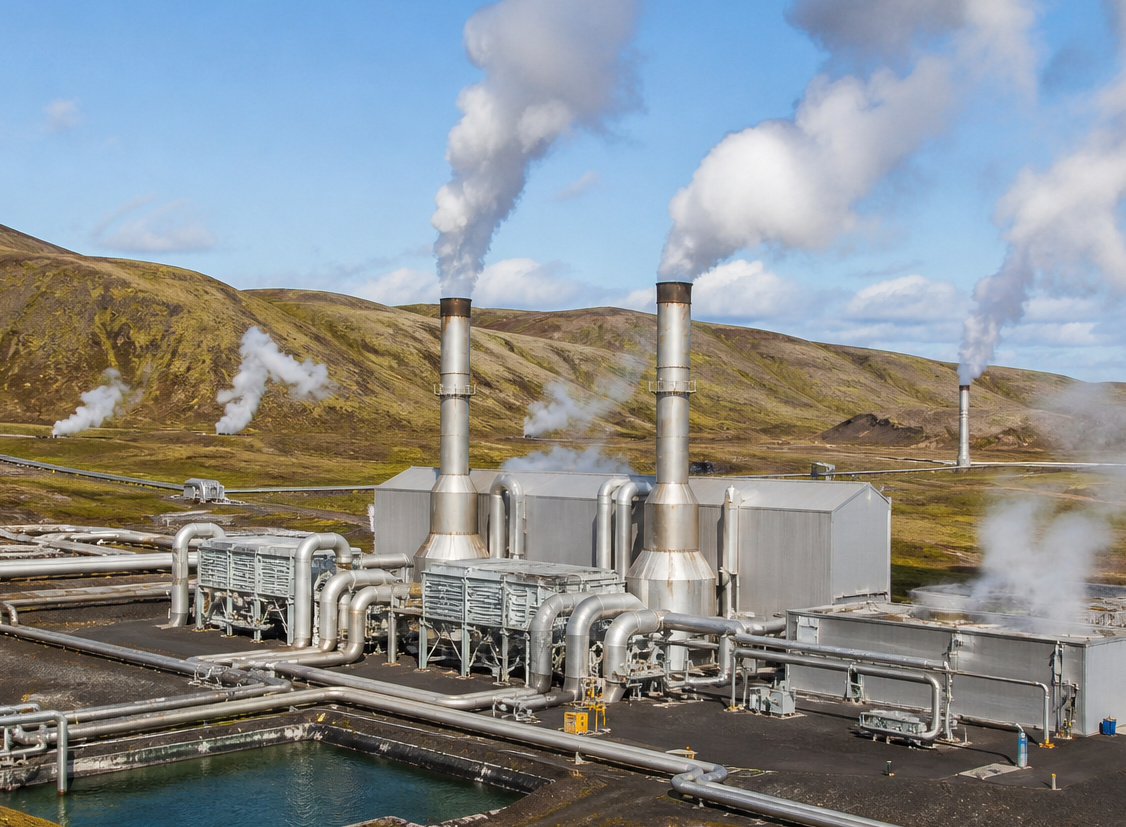
Traditional geothermal systems leverage natural hot water or steam reservoirs underground, limiting geothermal technology use to certain natural conditions. EGS systems are designed to effectively create thermal reservoirs in naturally hot rock through which water can circulate, transferring the energy back to surface for the purpose of power generation, greatly expanding the potential application of geothermal energy. The U.S. Department of Energy estimates that next-generation geothermal could provide 90 gigawatts (GW) by 2050, and potentially up to 300 GW in the U.S. alone.