
Powered by hydrogen and producing only water vapor as a by-product, FCVs represent a promising alternative to reduce carbon emissions in the transportation sector. The Fuel Cell Vehicle Market has been witnessing significant advancements, driven by innovations in hydrogen technology, infrastructure development, and supportive policies across major economies.
Breakthroughs in Hydrogen Fuel Cell Efficiency
One of the most important technological developments in recent years is the improvement in fuel cell efficiency. Traditional fuel cell systems faced challenges such as limited durability and high operating costs.
Today, manufacturers are introducing next-generation proton exchange membrane (PEM) fuel cells that operate at lower temperatures while delivering higher efficiency. These cells require less platinum catalyst, reducing costs and enhancing performance.
Improved water and thermal management systems are also enabling better fuel cell durability, allowing vehicles to operate seamlessly in diverse climates.
According to industry analysis, these efficiency gains are directly contributing to cost reduction, one of the most critical factors influencing the Fuel Cell Vehicle Market. Automakers are now producing FCVs that match or even exceed the mileage of conventional gasoline-powered cars, making them more appealing to both individual and commercial consumers.
Lightweight Materials and Advanced Design Engineering
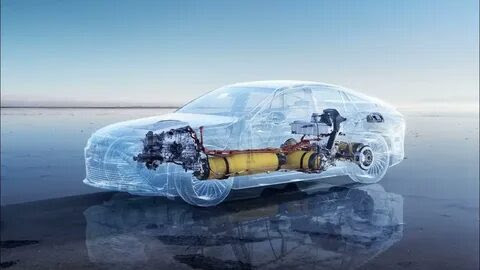
Fuel cell vehicles require careful engineering to balance hydrogen storage, durability, and vehicle safety. Innovations in lightweight composite materials are making a significant impact on overall design. Advanced carbon fiber tanks are now being used to store hydrogen at pressures up to 700 bar, ensuring both safety and compactness.
Automotive engineers are also focusing on aerodynamics and vehicle weight reduction to improve fuel economy. By integrating lightweight aluminium and reinforced plastics into body design, manufacturers are extending driving ranges while maintaining robust safety standards. This trend is particularly critical for commercial fleets and public transport, where range and reliability play a vital role.
Expansion of Hydrogen Refueling Infrastructure
Another major innovation is the rapid expansion and digitization of hydrogen refueling networks. While limited refueling stations have historically hindered adoption, governments and private stakeholders are investing heavily in infrastructure. Digital integration allows stations to be monitored remotely, ensuring uptime, safety, and efficient fuel distribution.
Smart refueling systems, powered by AI and IoT technologies, are emerging to optimize hydrogen delivery and usage. These intelligent networks predict demand, reduce downtime, and ensure cost efficiency for station operators. Fairfield Market Research notes that these developments are instrumental in improving consumer confidence and accelerating adoption in urban and intercity transportation systems.
Advances in Solid Oxide and Hybrid Fuel Cell Systems
While PEM fuel cells dominate the market, solid oxide fuel cells (SOFCs) and hybrid configurations are gaining attention. SOFCs can operate on various fuels beyond hydrogen, including natural gas and biogas, making them versatile for multiple applications. Hybrid fuel cell systems, which combine batteries with fuel cells, are also becoming increasingly popular. This dual approach provides flexibility by offering both long driving ranges and the ability to manage peak power demands efficiently.
Integration of AI and IoT for Performance Optimization
Artificial Intelligence (AI) and the Internet of Things (IoT) are playing a transformative role in enhancing fuel cell vehicle performance. AI-powered diagnostic systems are enabling real-time monitoring of critical components, predicting potential failures, and improving maintenance schedules. IoT sensors embedded across the vehicle and hydrogen supply chain are helping optimize fuel efficiency and safety.
Role of Renewable Hydrogen Production
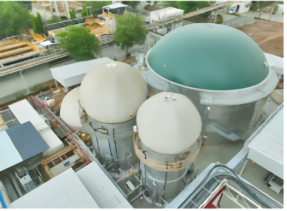
Hydrogen’s source has long been a point of debate. Conventional hydrogen production from natural gas generates carbon emissions, undermining the sustainability of FCVs. The latest innovation involves producing hydrogen through renewable sources, such as electrolysis powered by wind, solar, or hydropower.
Green hydrogen production technologies are scaling rapidly, making the supply chain cleaner and more sustainable. In the coming years, large-scale electrolyzer projects are expected to integrate seamlessly with hydrogen refueling infrastructure, lowering costs and boosting adoption rates.
Collaborations and Strategic Investments
The pace of innovation in the FCV sector is being accelerated by collaborations between automakers, technology providers, and governments. Leading manufacturers are entering partnerships to share research, co-develop hydrogen technologies, and expand supply chains.
Joint ventures are focusing on scaling production, cutting costs, and making FCVs more accessible to consumers worldwide.
The Road Ahead for Fuel Cell Vehicles
As the world intensifies efforts to achieve net-zero emissions, fuel cell vehicles are emerging as a critical pillar of sustainable mobility. Continuous innovations—from hydrogen production and storage to AI-driven systems and lightweight materials—are creating a favorable environment for their growth. The expansion of hydrogen infrastructure and the diversification into commercial applications will further accelerate adoption.
While challenges such as high production costs and limited infrastructure remain, ongoing research and collaborative initiatives are steadily addressing these barriers. With continued investment and technological progress, the global Fuel Cell Vehicle Market is positioned for exponential growth, offering a cleaner and more sustainable future for transportation.