Building on its letter sent to Energy Ministers, today Eurelectric published a position paper expanding on the 5 key recommendations for a successful Electrification Action Plan and deep dives into two key tools to make Europe more competitive through electrification: the Industrial Decarbonisation Bank and the Tripartite contracts.
To achieve the targeted 50 percent electrification rate by 2040 and lower system costs for all consumers, Eurelectric calls for at least 75 percent of the 100 billion euro Industrial Decarbonisation Bank budget to prioritise industrial electrification. Budget allocation should be based on three core principles:
Follow a mitigation hierarchy: prioritise proven, cost-effective technologies that avoid and reduce emissions first, cutting fossil fuel use through electrification.
Simplify and accelerate access: ensure transparent, efficient application procedures to fast-track deployment
Guarantee long-term certainty: secure credible, predictable budgets and clear investment signals to unlock industrial action.
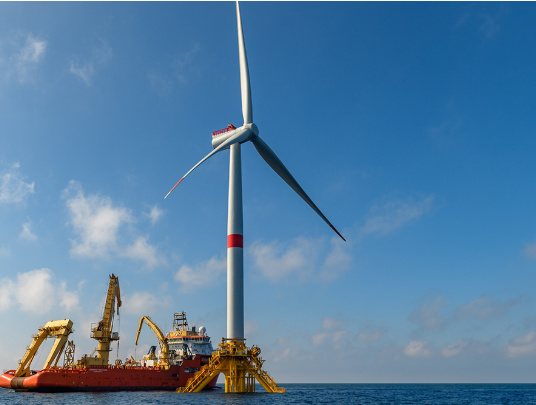
Eurelectric welcomes the launch of the first two “Tripartite Contracts for Affordable Energy” focusing on offshore wind and grids, and on storage and flexibility. This “virtuous triangle” approach uniting governments, industry and the power sector should also pave the way for a third framework dedicated to accelerating electrification.
For the initiatives already underway, Eurelectric recommends:
Call them ‘tripartite agreements’: rather than a legally binding contract, the initiative should be viewed as a forum for cooperation, hence, Eurelectric proposes to no longer use the term ‘tripartite contracts’ but instead ‘tripartite agreements’
Don’t touch the markets: instead of intervening in electricity market price formation, they should focus on regulatory clarity and market-oriented support measures.
Engage all key players – public sector at all levels, end consumers across sectors (industry, transport, heating and others) and the electricity supply side.
Build on existing frameworks and optimise efforts: align with NECPs, the Industrial Decarbonisation Bank, Clean Industrial Deal frameworks, EIB guarantees and EU funding streams for maximum impact.
For additional information: