

While these generators provide reliable electricity, they also produce carbon emissions and poor air quality. As sustainability becomes a higher priority for governments, organizers and attendees, the events industry is searching for cleaner alternatives.
Mobile solar platforms now offer a practical solution for powering temporary events while reducing environmental impact. These systems combine portable solar arrays, battery storage and smart energy management tools. The shift toward renewable-powered gatherings is helping organizers move closer to the goal of the zero-emission event.
Temporary events face unique energy challenges because they often operate in locations without permanent grid access. Organizers must provide enough electricity for audiovisual systems, refrigeration, charging stations, ticketing systems and emergency infrastructure over a short period of time.
For decades, diesel generators solved this problem because crews could easily transport and deploy them. However, this approach comes with major environmental costs. Large festivals can burn thousands of liters of diesel in just a few days, releasing significant amounts of greenhouse gases and particulate pollution.
Many events also waste energy because organizers oversize generators to handle occasional peak demand. These systems often run inefficiently for long periods while consuming unnecessary fuel.
Traditional events face growing scrutiny because of their climate impacts. For instance, a three-day conference with 1,000 attendees can emit 530 metric tons of CO2e a day due to transportation and waste. This growing environmental impact burden is pushing organizers to use cleaner alternatives.
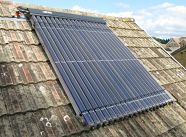
Mobile solar platforms provide renewable energy through portable and modular systems that crews can transport and install quickly. Most include foldable or trailer-mounted solar panels, battery energy storage systems and smart inverters, and monitoring software.
Unlike permanent solar installations, mobile systems support rapid deployment and relocation. Technicians can activate many platforms within hours, making them ideal for temporary operations. Modern systems can power stage production equipment, vendor booths, hospitality zones, lighting systems, communications equipment and security and emergency infrastructure.
Mobile solar platforms offer several advantages.
Mobile solar systems reduce or eliminate the need for diesel-powered generators. Solar panels generate electricity during the day, while battery systems store excess energy for nighttime operations. This approach significantly lowers on-site emissions.
Generator exhaust contains emissions that can affect workers, performers and attendees. Renewable-powered systems improve air quality and reduce exposure to harmful pollutants.
Diesel generators create constant background noise that can disrupt performances and reduce attendee comfort. Solar-powered battery systems operate much more quietly, creating a better experience for audiences and nearby communities.
Mobile solar platforms also allow organizers to host events in places with limited grid access. Remote deserts, beaches, parks and mountain locations often require expensive fuel deliveries and temporary infrastructure upgrades.
Portable renewable systems reduce fuel transport requirements and support more sustainable off-grid operations. As a result, organizers can explore new locations while minimizing environmental disruption.
Several large events already use renewable energy technologies to reduce emissions. Live entertainment subsidiary Goldenvoice has introduced sustainability initiatives like solar-powered installations, battery-supported systems and energy-efficiency programs at events like the Portola Music Festival and the Coachella Valley Music and Arts Festival. Other global festivals and sporting events have also tested temporary microgrids and hybrid renewable systems to support event operations.
Most large gatherings still rely partly on conventional backup power. However, these projects show that renewable infrastructure can handle demanding operational requirements. Organizers continue to improve performance by combining solar systems with LED lighting, efficient equipment and smarter energy planning.
Despite its advantages, mobile solar technology still faces several limitations.
Solar production depends on sunlight availability. Cloud cover, storms and seasonal conditions can reduce energy generation, especially during multiday outdoor events. To maintain reliability, organizers often pair solar platforms with battery reserves or hybrid backup systems.
Mobile renewable systems typically require larger initial investments than traditional generators. Battery storage, advanced controls and portable solar hardware remain expensive for some event operators. However, falling equipment costs and rising fuel prices continue to improve the long-term financial case for renewable-powered events.
Some large concerts and productions require extremely high power loads for lighting and audio systems, particularly at night. Current mobile solar systems may not fully support these peak demands without additional backup generation. Even so, partial generator replacement can still substantially reduce fuel use and emissions.
The industry is already moving toward measurable sustainability improvements. The average environmental, social and governance performance scores across the global event sector rose from 16.95 in 2024 to 19.07 in 2025, representing a 12.5% increase in sustainability results within a single year.
Environmental reporting and carbon-reduction goals are also increasingly influencing permitting decisions for large public gatherings. At the same time, attendees expect visible environmental commitments from brands and event organizers. Sustainability has become both an operational priority and a competitive advantage.
Mobile solar platforms are transforming how the events industry approaches temporary power generation. By combining solar energy, battery storage and intelligent energy management, organizers can reduce emissions, improve air quality, lower noise pollution and expand access to remote event locations.
lthough challenges remain, renewable-powered infrastructure is becoming increasingly practical and cost-effective. As technology advances, mobile solar systems will likely play a central role in building the next generation of zero-emission events.