
Faced with larger and more complex losses, and with this year's El Niño predicted to intensify extreme weather, renewables developers, asset owners, and risk managers need to shift their focus from disaster prevention to disaster recovery, according to the report.
Expecting the Worst: Building resilient recovery strategies for green initiatives facing major weather losses draws on 19 years of proprietary claims data and insights from experts across the market to examine how extreme weather is changing risk management and disaster recovery strategies – and offers important lessons for the wider green transition.
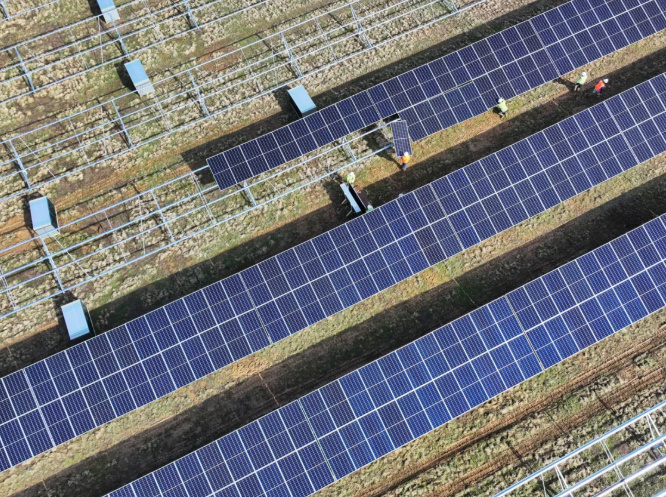
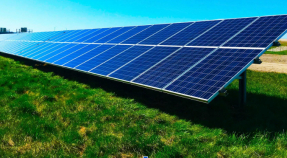
In early 2026 alone, TMGX estimates that more than $300 million of renewables market losses were recorded globally before the traditional extreme weather season had begun – with El Niño adding another variable to the seasonal picture and the need for preparedness. While onshore wind had previously been the main driver of losses globally, utility-scale solar now accounts for 80–90 per cent of annual extreme weather losses, reaching a peak of $228 million in 2024.
TMGX’s proprietary claims data highlight that North America continues to lead renewables losses by region, with more than $1.115 billion in cumulative claims between 2008 and 2026. Hail is now by far the costliest peril in the region, accounting for approximately $275 million in total losses and averaging roughly $9.1 million per claim across the full dataset.
“The world avoided the big peak events in 2025, but this year’s El Niño is a reminder that this can change” said Fraser McLachlan, Chairman of TMGX. “Our latest report should not mean expecting failure. It means recognising that major losses will occur, learning from those that have already happened, and putting the right structures in place to respond more effectively when the next one arrives. Every loss has a lesson, and the resilience of the global green transition will depend on how quickly those lessons are shared and turned into action.”
Major losses are also continuing to emerge in regions once thought to be benign, a theme previously identified in TMGX’s 2025 Known Unknowns report. Updated data since the report’s publication put historical losses across the Middle East and North Africa at approximately $205 million between 2008 and 2026. Europe has seen approximately $260 million in sector losses, with solar projects in Italy, France and Germany experiencing significant damage from large hailstorms and flash flooding.
The report also draws on opinions from experts working across the market, who warn that reactive responses to extreme weather and complex insurance structures are prolonging operational downtime for green projects. They emphasise that true resilience depends on pre-loss preparation, such as establishing pre-negotiated service contracts, securing spare parts inventories, and agreeing on standardised claims protocols long before a disaster strikes.
TMGX argues that the market’s preparedness for NatCat and extreme weather events rests on three foundations:
Transparency in data and analysis - a lack of historical data is not a lack of risk, and where data and lessons are shared, the benefit is measurable, with hail stowing and weather monitoring already reducing claims frequency in West Texas
An insurance market willing to innovate - outdated business interruption cover built around 12 to 18 months of downtime falls short when a single transformer outage can run to three years; policies need to move with the times
Creating systems where the value chain can better collectively understand and mitigate risk - response plans and adjustment teams can be agreed before a loss, while a missing Master Service Agreement can add 6 to 8 weeks of contract negotiation before EPC work can begin
“The findings in our latest report show that risk is moving faster than the tools we use to manage it” added Oliver Litterick, Head of Renewables at TMGX. “Insurers, developers and contractors must work together to agree on recovery plans, share data and keep products in step with the realities of today’s market before the next major loss event occurs, not after it.”
With extreme weather events becoming more frequent and severe, and El Niño predictions suggesting the toughest tests of the industry’s resilience are still to come, Expecting the Worst highlights the need for the green transition to move beyond prevention and place greater emphasis on preparedness.
By planning for disruption before it occurs, the industry can improve resilience, accelerate recovery and help ensure the next phase of the green transition remains insurable.
For additional information: