
Nationwide, electric utility providers are in a bind. Surging demand driven by electric vehicles, massive data center expansions and severe weather events is pushing aging power infrastructure to its limits. Utilities routinely pass massive capital investment costs straight to rate payers, squeezing household budgets at a time when families can least afford it.
When every dollar counts, waiting for energy prices to magically drop simply isn’t a strategy. That urgency is why many states are looking at how Minnesota became the nation’s premier model for localized, affordable clean energy.
Minnesota Built the Framework to Help Community Solar Programs Nationwide
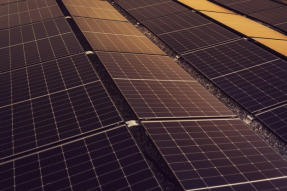
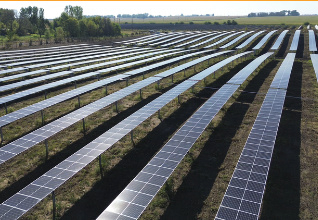
Rather than waiting on regional grid updates, thousands of Minnesota households are taking advantage of the state’s pioneering Community Solar Garden program. Originally created in 2013 and subsequently updated, Minnesota’s community solar program is now named in honor of Melissa Hortman. The program serves as a policy blueprint for lawmakers across the country.
Minnesota consistently ranks as one of the largest community solar markets in the nation, boasting more than 800 megawatts of active community solar capacity. The modern legislation ensures that everyday families, not just corporations, directly benefit from grid transformation through guaranteed, income-qualified savings.
“Solar energy isn’t an expensive luxury anymore. It’s now one of the most affordable sources of new electricity generation in the country,” explained Eric Pasi, CEO of Enterprise Energy, a Minneapolis-based community solar developer. “Thanks to Minnesota’s modern energy policy, accessing those lower costs doesn't require thousands of dollars in rooftop panels.”
Subscribers to local solar gardens can reduce energy costs by up to 15% with no upfront fees and zero equipment installations. Homeowners and renters simply subscribe to a nearby solar farm and receive savings credit on their energy statement beginning this fall.
Scaling a Local Fix Into a National Playbook
The strategy isn't just cutting bills; it's proving how local communities can modernize the power supply from the ground up.
“We are a locally owned company, based in Minneapolis, created to give local families direct relief from rising utility bills,” Pasi added. “Our community solar projects now power approximately 10,000 households while helping us build a cleaner, stronger power grid for our communities.”
The rapid growth underlines how hungry consumers are for alternatives. Named the #1 fastest-growing company in Minnesota on Inc.com’s 2026 5000 list, and #4 nationally within the energy sector category, Enterprise Energy projects it will power approximately 30,000 households within the next year alone.
The company is expanding its service into Illinois, where a similar state program exists. “We are providing a scalable blueprint for how the rest of the country can expand access to affordable electricity,” commented Pasi.
How Minnesota’s Solar Gardens Lower Electricity Bills
● Local solar farms generate clean, affordable electricity for the power grid.
● Households simply need to subscribe. Minnesota households served by Xcel Energy can subscribe, subject to program requirements and available capacity. There are no setup fees, credit checks or hidden costs.
● With consolidated billing, subscription charges and solar credits appear together on the household’s Xcel Energy bill. There are no second invoices to manage.
Community Solar Gardens are Better for the Environment and the Economy
Pasi estimated that the company’s community solar gardens currently offset close to 100 million pounds of carbon dioxide each year.
“We also go to great lengths to make each garden as beneficial environmentally as possible. Pollinator-friendly seed mixes are planted in all of our projects. This helps restore the health of the soil. Depending on the project, we may also plant low-growing crops below the solar panels to maximize use of the space. Some of our gardens are even used for sheep grazing.”
Enterprise Energy also prioritizes American-made equipment for its projects. “It’s important to us to support the U.S. economy. In addition to sourcing from American vendors, we are committed to growing the overall solar energy industry because it will support many high-paying local green jobs.”