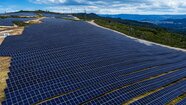


The UK solar sector accounted for 35 percent of British consumption at the time, this record arriving earlier in the year than at any previous annual peak.
The rising contribution to the grid from solar and other forms of renewable energy is good news for the consumer, particularly those with time-of-use tariffs. The price of electricity can plunge to zero or less during times of high solar and wind generation – the best time to run domestic appliances or charge an electric vehicle or home battery.
More generally, the average daily wholesale price has fallen over the last few weeks due to a high proportion of wind and solar generation, eroding the link between the prices of natural gas and electricity.
The old British record was set on 8 July last year, at 14,046 MW, when it met 39 percent of demand. Northern Ireland is considered separately, being part of the all-Ireland grid.
If solar generation capacity remained static, the annual peak would normally be expected to be reached in late April to early May. That is because panels perform at their very best in cool but bright conditions. However, the extraordinary pace of growth is changing that established pattern.
In February, the industry was predicted to install 5 to 5.5 gigawatts of capacity this year, according to estimates by Josh Cornes, Senior Market Analyst at Solar Media. That comes on top of the almost 24 GW in place at the end of 2026.
That was before the latest energy crisis led the Government to promise further measures that will accelerate the pace of growth even further, on top of rising consumer demand for rooftop and soon-to-be-approved plug-in systems.
“As solar and wind power become more commonplace, the price of electricity will come down, especially at times of abundant generation” said Chris Hewett, Chief Executive of Solar Energy UK. “With sunnier weather ahead of us, combined with more and more installations being deployed, it is inevitable that further records will be set, putting further downward pressure on prices and reducing Britain’s dependence on expensive gas.”
For additional information: