
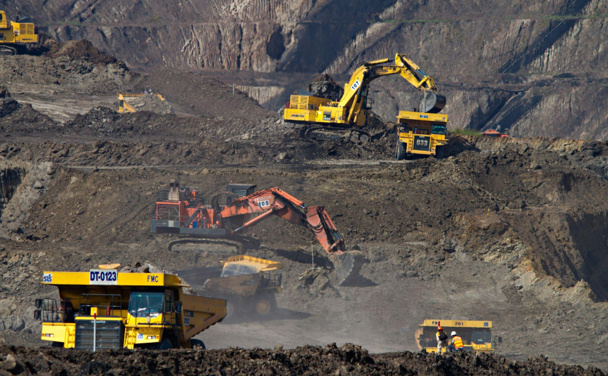
That means getting “greener” requires a massive increase in mining, which is an activity known for its environmental challenges. Resolving this paradox takes a two-front approach — a massive investment to secure and stabilize the global supply chain and a revolution in sustainable mining technology.
Expanding mining operations requires a massive capital investment of between $360 billion and $450 billion to meet the projected demand by 2030. The need for critical minerals for renewable energy could increase by almost fourfold by 2030.
This capital is not only for digging new mines, but also for building entire ecosystems for the transition. These include exploration and extraction facilities, as well as midstream processing and refining plants for turning raw ore into battery-grade materials.
Many minerals are only available in high concentrations in certain regions. China provides more than 85% of the world’s rare earth elements, while around 70% of cobalt worldwide comes from the Democratic Republic of Congo. Brine deposits in Argentina, Bolivia and Chile are the primary sources of global lithium, while nickel is dug up in Russia, Indonesia and the Philippines.
Relying on a few key regions for critical resources creates vulnerabilities to trade disputes, political instability and logistical disruptions. Moreover, import dependency can drive domestic policy, as it’s an economic and national security concern.
Time itself is also a challenge. A new mine can take over a decade from discovery to production, making immediate investment crucial to prevent future bottlenecks.
The U.S. government maintains a list of minerals essential to the economy and national security, including well-known materials like lithium and cobalt, as well as a host of rare earth elements. Key green technologies require critical minerals for renewable energy. Consider these examples:
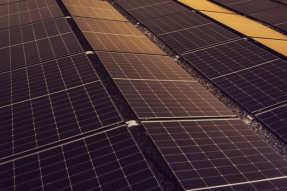
The demand for these minerals is continuously growing. In 2023, the need for cobalt, graphite, nickel and rare elements all increased by 8% to 15%, while lithium usage rose by 30%. These show not a slow trend but a rapid, accelerating surge directly tied to renewable energy projects such as photovoltaic cells and hydropower plants and EV sales.
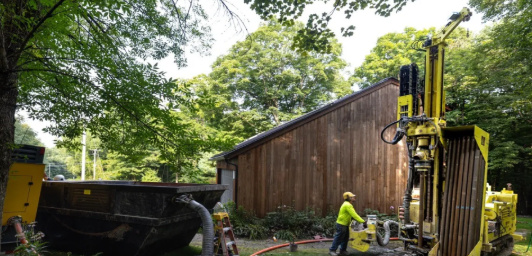
Haul trucks, loaders and other diesel-powered mobile equipment produce 30% to 80% of a mine site’s direct emissions. Sustainable mining technology, like electric heavy equipment can cut that figure to zero while also reducing noise. Such devices also lower operating costs, make companies eligible for tax incentives and simplify maintenance.
However, sustainable mining does more than lower emissions. It aims to reduce water usage, minimize land disturbance and ensure the safety and economic well-being of local communities.
“Smart” exploration is now possible with AI and satellite technology. They can identify higher-grade ore deposits more accurately than traditional methods, reducing the waste rock needed to be mined and processed.
New techniques and systems can also reduce environmental impact. For example, bioleaching — which uses microorganisms to extract metals — can be an alternative to harsh chemicals like cyanide. Meanwhile, a closed-loop water system in refining plants means water is recycled and reused on-site instead of being discharged, saving a significant amount of the vital resource.
The demand for key materials is staggering. In America, lithium battery demand is set to grow nearly six times by 2030. Relying on imports and new mines alone is not a viable long-term strategy.
Dependence on outside sources can create a massive and ongoing trade deficit, as hundreds of billions of dollars are sent overseas to acquire materials. Moreover, placing the country’s energy and transportation future in the hands of a few distant supply chains makes it vulnerable to price shocks and geopolitical tensions. The sheer number of new mines can also strain natural environments worldwide, undermining the green goals of the transition.
Urban mining may hold part of the solution. It involves recovering valuable materials from collective waste such as end-of-life EV batteries, discarded smartphones, laptops, power tools and other electronics. The batteries and magnets of these items often contain valuable cobalt, copper and rare earth minerals.
Urban mining can provide a domestic source of critical minerals and offer a sustainable solution to the world’s growing electronic waste problem. It also shifts the economy from a linear “take, make and dispose” model to a circular “take, make, reuse and recycle” loop.
A significant shift requires a strong policy to create a market and drive investment. Consider the Li-Bridge’s goal to source most of its energy materials needs from recycled lithium batteries by 2050. This is an objective formulated by the U.S. public-private alliance between the Department of Energy and Argonne National Lab.
The goal sends a clear, powerful signal to private companies that there will be a long-term, government-backed market for recycling. This, in turn, would encourage them to invest in building the necessary, expensive processing plants.
The clean energy revolution is fundamentally an energy transition minerals revolution. Shifting from fossil fuels to renewable resources is mineral-intensive, creating massive investment needs and supply chain risks. Sustainable mining technology may be the only way to mitigate the environmental impact.
Ultimately, a successful green transition won’t just be measured by the number of solar panels and EVs deployed. It’ll be defined by the ability to build a sustainable, circular and responsible supply chain to support these cleaner technologies.