

One way architects and scientists have found to reshape these environmental outcomes is by creating energy-efficient buildings. These buildings can reduce the structures’ carbon footprint, which can help have a positive impact.
Energy efficiency occurs when a building uses less energy to perform its functions, like heating and cooling, than it consumes. Carbon emissions occur when energy is used, so reducing the amount of initial energy needed to perform a task increases the efficiency of the building. This has a positive impact on the environment and reduces the structure’s carbon footprint.
Just one negative effect of excessive carbon dioxide is that it increases the acidity of the ocean, which can be harmful to its inhabitants. This is one of the many reasons why energy-efficient is so important. There are two prominent aspects of energy-efficient building design that can be modified to better serve the environment’s needs: the structure and its features.
Buildings can be designed for energy efficiency and help the environment before they are even built. One way is to use certain materials when constructing them. Finishes, insulation and cladding are all places within a building where energy is stored, so making sure those materials are as sustainable as possible can be a first step. Some renewable materials include bamboo or wood.
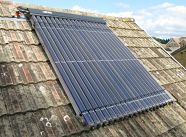
A building’s orientation and shape must also be considered. Rectangular buildings facing east or west can catch more heat during the winter. If the building also has solar panels, it is more energy-efficient and can help reduce carbon emissions. Architects who are aware of this can help ensure carbon emissions reduction in buildings.
Climate-resilient architecture is a crucial step in reducing carbon emissions and protecting both inhabitants and the environment. Professionals must prioritize sustainability in the design and construction of a building from the very beginning to achieve optimal outcomes in the long run.
A building's features also contribute to its energy efficiency. Some notable ones are solar panels, green roofs and insulation. Features like external shading devices, such as commercial awnings, can reduce building cooling loads by 25-35% when properly designed and installed on commercial buildings in tropical and warm climates. Even in residential buildings and homes, retractable awnings help you save money on energy by working with your AC. When solar radiation attempts to penetrate your home through glass surfaces, these adjustable coverings deflect a significant portion of the thermal energy away from your interior spaces. The outcome is a substantial reduction in ambient temperature buildup within your living environment. This efficiency translates to meaningful financial impact. Cooling costs can be reduced by up to 50% in the summer because you use your AC unit less.
Solar panels, retractable awnings and other elements consume less energy and can be added to existing buildings. People who restore historical buildings are also exploring these innovations, particularly for buildings open to the public that require heating or cooling.
Buildings account for approximately 30% of global final energy consumption and 27% of global energy sector emissions, so there is an urgent need for them to be energy-efficient. This represents over 10 Gt CO2-equivalent per year, making the building sector one of the largest contributors to climate change. Certain aspects are being modified to reduce usage, and the hope is that the percentage will eventually decrease to create zero-energy buildings.
Energy-efficient buildings significantly reduce carbon emissions, which helps the environment. Lessening one’s carbon footprint is a common method for combating climate change, and buildings are no exception. Improved air quality is another common result of energy-efficient buildings. Sustainable materials often increase air circulation, which can improve air quality.
Cities are known for being heatboxes. If skyscrapers and other buildings within cities become more energy-efficient, the stored heat in cities could be greatly reduced. This would be great news for urban residents and the environment.
Winters are becoming warmer because buildings and other features that create excess carbon dioxide absorb too much heat, making them unsustainable. Energy-efficient buildings help lower the heat absorption of buildings and decrease the overall heat in the atmosphere.
There are many reasons why people do not invest in these types of buildings. Sourcing the renewable materials and specialized architects needed to design these buildings may seem too challenging, especially if there is a lack of expertise in this area. If something is too much of a hassle and a company or someone else has a deadline, the hoops do not seem worth it to jump through.
While the initial cost is often cited as a barrier, energy-efficient buildings typically offer substantial returns on investment. Research shows that green buildings can reduce operating costs by 20-30% through energy savings alone. Additionally, energy-efficient buildings command premium values, selling for approximately 7-10% more than conventional properties and generating rental premiums of 3-8%
Regulations that are not designed with the environment in mind could also be a drawback. If a city or neighborhood does not have certain environmentally conscious rules for builders and architects to follow, they will be less inclined to spend the extra effort making their buildings energy-efficient. Resistance to passive house standards, which are known to increase energy efficiency, is why buildings today are not always built with the environment in mind.
Being environmentally conscious is just the first step to living in a more sustainable world. Once you have done the research, the next step is to take real, actionable steps to combat climate change.
One of the most impactful approaches is the adoption of internationally recognized standards for building performance. Buildings certified to standards like LEED (Leadership in Energy and Environmental Design), BREEAM, or Passive House have been shown to reduce energy consumption by 30-50% compared to conventional buildings built to code minimums.
Creating energy-efficient buildings and modifying old ones to be more energy-efficient is a great first step, since most buildings have a larger carbon footprint than other things that hurt the environment. Certain structures and features of buildings can make them more efficient, but implementing these while considering cost and public opinion may be challenging.
Renewable energy within buildings can significantly reduce carbon emissions and contribute to environmental sustainability. Implementing any attribute, from solar panels to the orientation of a building, can have a beneficial impact. It is important to be conscious of this, especially in today’s world.
The building sector offers some of the most cost-effective and readily available solutions to climate challenges. By combining energy efficiency measures with renewable energy sources, the sector could contribute to 38% of the emissions reductions needed by 2050 to limit global warming to 2 degrees Celsius or 35.6 degrees Fahrenheit.