
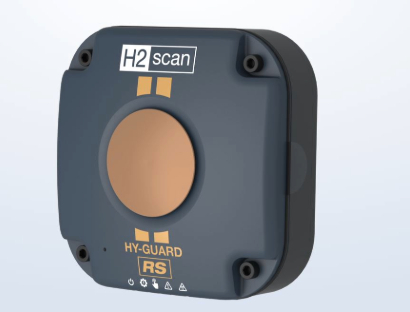
HY-GUARD brings together self-calibration, continuous hydrogen detection, early warning capabilities and centralised system visibility to help operators identify developing battery hazards before they escalate.
The platform builds on H2scan's recently introduced HY-GUARD RS and HY-SIGHT technologies, which extended the company's hydrogen monitoring capabilities into lithium-ion battery applications. Together with HY-GUARD monitoring products, the integrated system supports monitoring across lead-acid, nickel-cadmium and lithium-ion batteries, and provides a flexible path from localised detection to system-wide battery safety visibility.
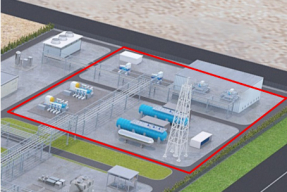
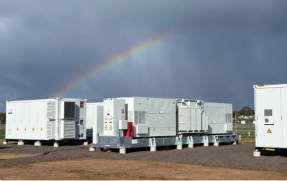
Designed for applications ranging from individual battery cabinets to large-scale energy storage facilities, HY-GUARD helps operators move beyond isolated alarms toward a more comprehensive understanding of battery safety conditions. Its continuous monitoring capabilities provide early indications of developing problems, giving facility and safety teams the necessary time to investigate, respond and prevent an abnormal, or potentially dangerous condition from escalating.
The cost of critical infrastructure failures is significant. According to Uptime Institute's 2026 Annual Outage Analysis, 57 percent of surveyed data centre operators reported major outage costs exceeding $100,000, with one in five exceeding $1 million.
“For critical infrastructure operators, battery safety is no longer just about protecting equipment” said David Ellis, President & CEO. “It’s about protecting business continuity, equipment and personnel. As battery systems become more complex and the consequences of downtime grow, operators need to identify potential problems before they become costly failures. With HY-GUARD, we’re bringing together continuous monitoring, early detection and real-time intelligence to help facilities stay ahead of emerging risks and keep critical operations running.”
The HY-GUARD platform supports H2scan’s broader mission of turning self-calibrated continuous hydrogen data into actionable situational intelligence in order to help customers identify abnormalities sooner, reduce operational risk and protect critical infrastructure.
For additional information: