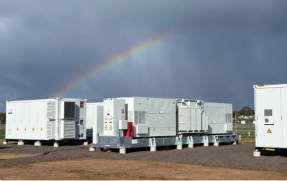

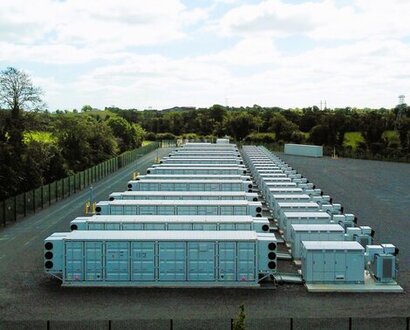
Located on land approximately 2 kilometres south-west of Gleno and 8.5 kilometres south-west of Larne, Ballyross is strategically positioned close to the existing Ballyvallagh substation. This will support the efficient operation of the system while minimising the need for additional grid infrastructure.
As constraints on Northern Ireland's electricity system increase, clean, low-cost electricity capable of powering homes and businesses can sometimes be prevented from reaching consumers. Battery energy storage projects such as Ballyross can help make better use of this electricity by storing it when generation is high and releasing it when demand rises. By adding flexibility and supporting grid stability, Ballyross will help create a more efficient and resilient electricity system.
“From our office in Larne, RES has been proud to contribute to Northern Ireland’s energy future and economic growth since the early 1990s” said Peter Deeney, Senior Development Project Manager at RES. “Securing consent for Ballyross, our first battery energy storage project to be consented in Northern Ireland, is an important milestone as we continue transforming the way energy is generated, stored and supplied. Battery storage is becoming increasingly important as Northern Ireland continues its transition to a low-carbon energy system. Projects such as Ballyross can help make the electricity network more flexible and resilient, so that more renewable energy can be stored and used when it is needed most.”
The approved scheme also includes a substantial landscaping package. New native-species planting will help the development blend into the surrounding landscape while creating wildlife corridors and pollinator-friendly habitat that deliver additional biodiversity benefits.
“Alongside its strategic location close to Ballyvallagh substation, the site was selected because it has limited visibility from local properties” added Mr Deeney. “The new planting will further reduce visibility while providing valuable resources for a wide range of flora and fauna. We would particularly like to thank the local residents and stakeholders who engaged with us throughout the development of Ballyross. The feedback shared during consultation helped inform our landscaping plan and shape the project’s final design.”
Construction of the BESS is expected to take around 20 months.
For additional information: