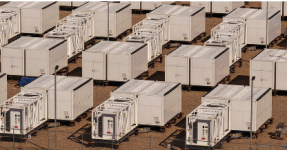

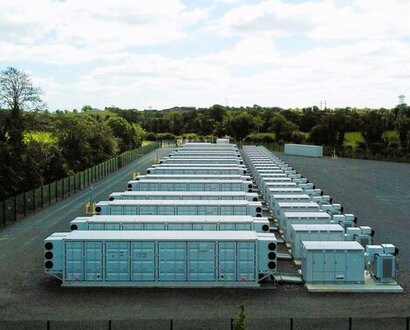
The site for the Ballyross BESS has been chosen for its proximity to the Ballyvallagh substation. Siting BESS projects as close as possible to the substation at which it will connect, not only maximises the efficiency of the system, its location also reduces the need for additional infrastructure to connect the BESS to the electricity grid network. There would also be limited potential visibility of the project, if consented and built, due to the local terrain and existing mature hedgerow and woodland planting.
“We held two consultation events for Ballyross to present and seek views on the proposal prior to submitting our planning application” said Peter Deeney, Development Project Manager for RES. “We’d like to thank the local community for coming along to the events to learn more about the project and particularly for the many constructive conversations we had with the visitors. The feedback we got from local people really helped to shape the final design for the project, such as the preferred transport route during the construction phase and additional landscaping measures to further reduce potential views of the project from the closest residential properties.”
The Ballyross planning application is supported by a detailed landscaping plan which includes new native-species hedgerow and woodland planting that would supplement the existing planting to further reduce potential visibility of the BESS. In addition, the landscaping proposal will provide wildlife corridors and vital resources for a range of wildlife, including plans for seeding areas using a specific wildflower seed mixture to attract the pollinators crucial to a healthy eco-system.
Projects like Ballyross BESS are vital to support the delivery of a reliable and resilient decarbonised electricity system for the future. They help to balance the electricity system at a lower cost by maximising the output of variable generation as well as minimising both network upgrades and the need for new infrastructure.
The Ballyross BESS proposal is expected to be determined by Mid and East Antrim Borough Council’s Planning Committee in the summer of 2026 and, if consented, is estimated to take approximately 20 months to build, following a successful grid connection application.
For additional information: