
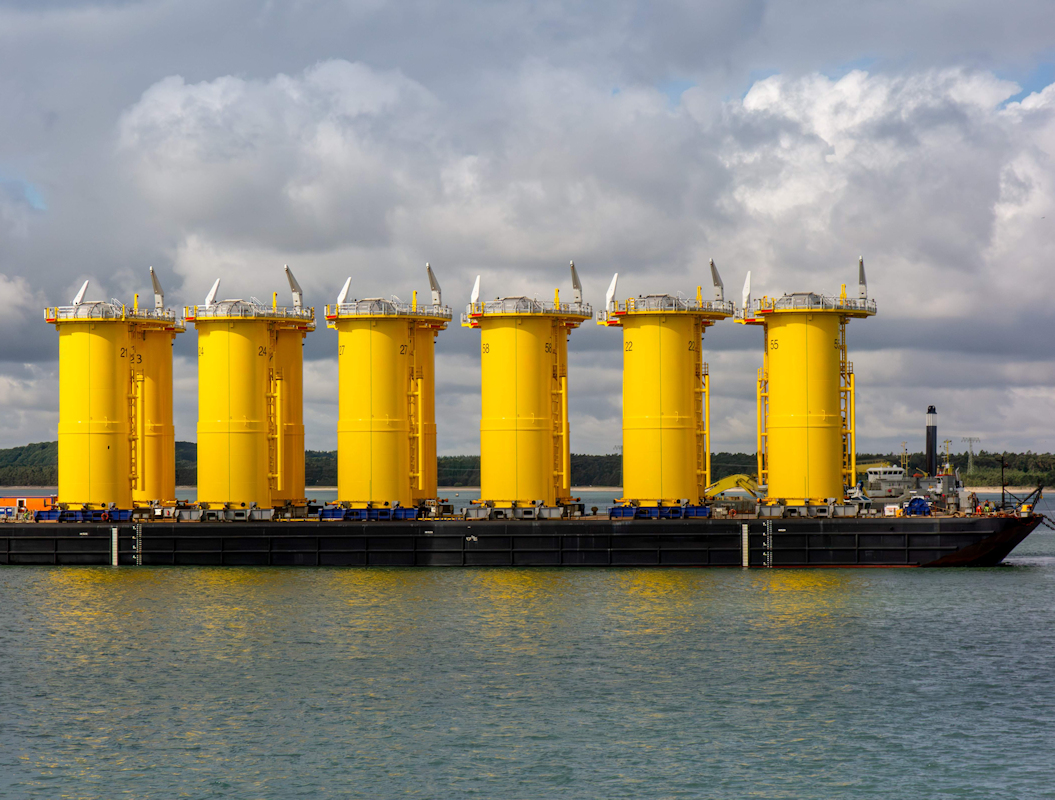
Emerging efforts to develop a dedicated offshore wind corrosion protection standard, such as ISO/AWI 25249, offer a vital opportunity to secure the long-term reliability, cost-effectiveness, and sustainability of the sector. It is an opportunity that cannot, and should not, be missed.
How current standards fall short
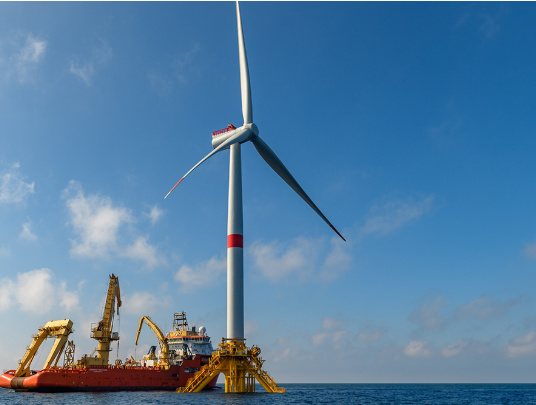
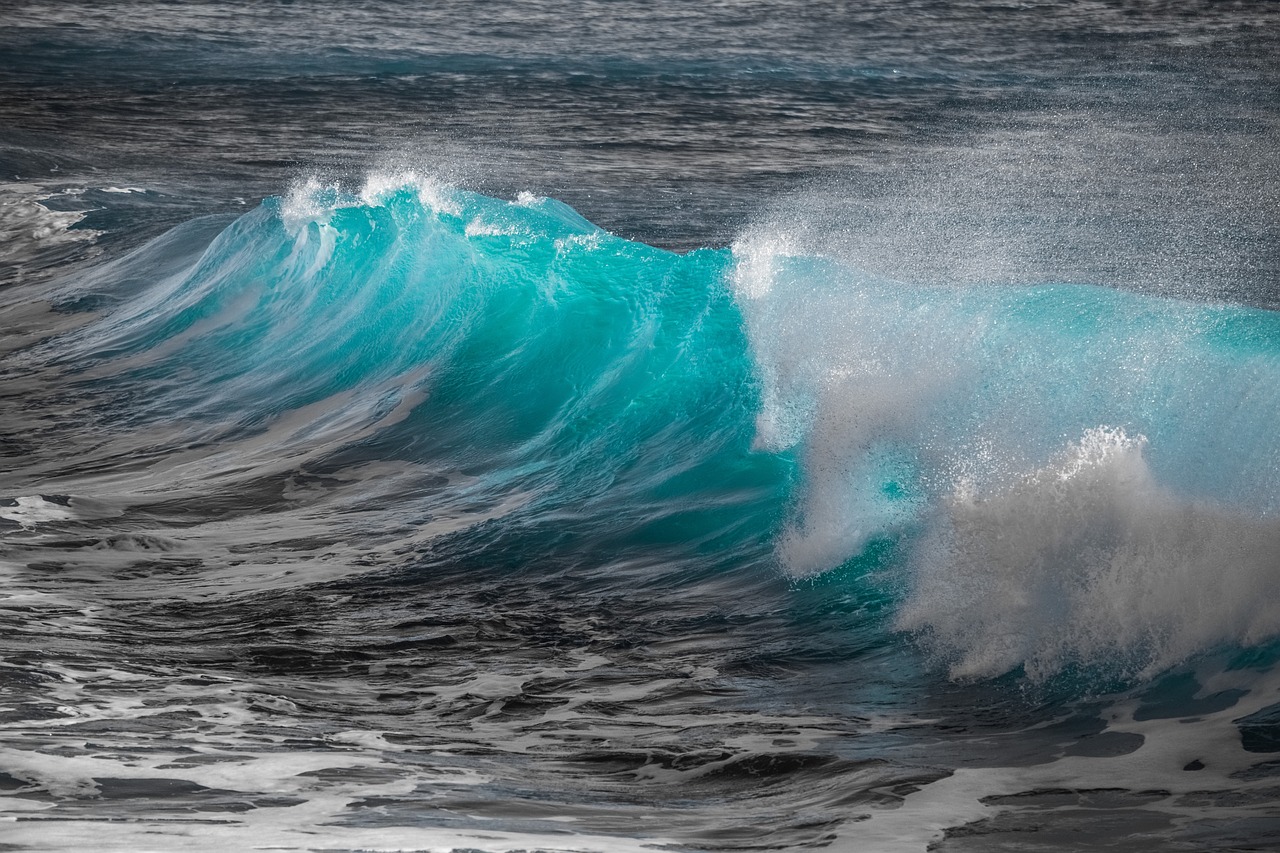
From immersion in saltwater, strong currents, wave impacts, and oxygen-rich splash zones, offshore wind structures endure harsh and unforgiving conditions. But with no globally recognised standard guiding corrosion protection, wind turbine foundations are too often left vulnerable to premature degradation.
Historically, the industry has borrowed corrosion protection practices from the oil and gas sector. Yet these practices are ill-suited to the task. While oil & gas EP platforms are regularly maintained, offshore wind facilities are unmanned, exposed to far more dynamic marine conditions, and expected to operate with minimal maintenance for 30 years or more.
Early attempts to apply standards such as ISO 12944-9 (previously ISO 20340), and NORSOK M-501 provided a helpful starting point. But they were only ever designed for 15-year durability. As such, we are seeing coatings fail early, especially in high-risk areas such as the splash zone, resulting in the need for expensive, complex repairs.
Germany’s VGBE-S-021-03 standard (now on its 4th edition, issued 2023), introduced more performance-based testing, tailored to offshore wind. However, its adoption has been largely regional, and some testing protocols are not compatible with modern, solvent-free coating systems.
Meanwhile, newer tools like ISO 24656:2022 that focus on cathodic protection design and classify coatings based on perceived field performance, were never intended as specification standards. As a result, misinterpretations have led some developers to favour outdated compositions over innovative technologies that could offer better long-term performance.
The Path Forward: Innovation through standardization
The industry needs a smarter, unified framework: a performance-based, international standard specifically designed for offshore wind. Such a standard should:
ISO/AWI 25249 gives the industry an opportunity to unite around these principles.
Joao Azevedo, Energy Segment Director – EMEAI, Sherwin-Williams Protective and Marine Coatings, said, “The success of offshore wind as a long-term, low-carbon energy source depends on reliable, sustainable, and cost-effective corrosion protection. Without standardised guidelines tailored to offshore wind’s specific challenges, the sector risks undermining investor confidence, compromising safety, and inflating operational costs.
“We call on developers, fabricators, coating manufacturers, standards organisations, and policymakers to come together to drive the creation of a global corrosion protection standard that puts performance, practicality, and sustainability at its core. The future of offshore wind isn’t just about what we build. It is about how we protect it."