
Many decisions made by design teams in the early stages affect how well a solar panel performs. Perovskite solar cells have attracted significant attention recently due to their low production costs and high energy-efficiency capabilities. Developers usually synthesize and test all of the cells, which can become extremely time-consuming.
One team recognized that AI combined with automated, high-throughput synthesis could better help identify well-performing materials for solar panels or other common applications. They began with a database containing the structural formulas for about 1 million molecules available to synthesize with commercially available materials. The researchers then randomly selected 13,000 and used quantum mechanical methods to determine some of their likely properties.
The next step involved using a robotic synthesis platform to make 101 molecules. Scientists chose ones with the biggest differences among their characteristics. This information trained an AI model, which suggested 48 other molecules to synthesize based on high expected efficiency and unforeseeable properties.
With the help of the AI’s suggestions, the group was able to build solar panels offering above-average efficiency. Some exceeded the capabilities of the most advanced, currently available options. This example shows how AI can streamline formerly intensive processes and optimize results.
People interested in solar energy want to know whether it will cover their power needs. Some increase their preparedness with energy-storage systems, which provide a backup source during outages or when environmental factors dampen solar output.
Improved accuracy for solar forecasting could increase adoption rates among everyone from homeowners to energy decision-makers and policymakers. Getting reliable data extends beyond solely using the latest information. In one case, researchers took information from three Australian Indigenous peoples’ calendars and a modern edition. They explained that these sources contain seasonal insights often based on nature-related cues, such as plant and animal behaviors that connect to sunlight and weather patterns.
Solar panel generation is difficult to predict due to atmospheric conditions, weather and how well a panel’s surface absorbs sunlight. Combining this calendar data with AI allowed researchers to assess that metric with less than half the error rate of other popular forecasting methods.
The researchers focused their efforts on Australia and anticipate that they can tailor predictions to encompass more granular environmental shifts. That improvement would result in more precise and culturally informed insights for Australian regions. It also encourages future researchers to broaden their data sources for similar studies.
Solar panels need ongoing maintenance to keep working at their best. Some people may use reactive methods, only addressing problems when they arise. Others create preventive plans, which involve completing specific activities in particular time frames. Solar panel users can embrace a third option by combining AI and connected sensors to predict issues long before humans can detect them.
Statistics show that 91% of global leaders are actively increasing their AI initiatives. As executives decide which approaches to take and when, many want to avoid costly downtime. Those running solar farms or other large-scale renewable energy projects can meet that goal with AI-powered predictive maintenance.
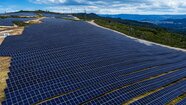
Experts expect AI to fundamentally change how solar technicians and similar parties plan their work. For instance, they can incorporate AI to shorten the time required for specific tasks. Some companies use the technology to analyze drone-captured thermal imaging footage that shows abnormal warmth within the solar panel. That characteristic suggests a potential problem to investigate.
AI can also detect efficiency losses caused by the buildup of dirt and grime. Some machine learning algorithms diagnose issues with specific components, such as inverters. Purposeful applications like these help explain the energy sector’s $13 billion investment in AI-based technologies. Decision-makers know that efforts to curb efficiency losses, downtime or similar issues should boost overall results.
While AI-enhanced solar energy applications are still in the relatively early stages, these examples show the abundant potential of future efforts. Even if some researchers’ work proves not commercially viable, those involved will undoubtedly learn valuable things to apply throughout their careers.