
The new tranche doubles the amount of GCF concessional financing available for the program to €174 million. It will help cities in eligible countries to address pressing climate mitigation and adaptation challenges through investment, policy support, capacity building and access to green finance.
EBRD Green Cities has more than 60 participating cities and supports investment in sectors including urban transport, district energy, solid waste, renewable energy, smart solutions, water and wastewater, building, electricity distribution networks, street lighting, climate resilience and nature-based solutions.
GCF concessional financing helps cities develop more ambitious investments while addressing affordability and bankability constraints, and mobilizing additional public and private capital. It is available to cities, utilities and private-sector firms in 15 countries: Albania, Armenia, Bosnia and Herzegovina, Georgia, Jordan, Kazakhstan, the Kyrgyz Republic, Moldova, Mongolia, Morocco, North Macedonia, Serbia, Tajikistan, Tunisia and Uzbekistan.
Support is provided through policy work, infrastructure investment, technical assistance and capacity building, and measures to improve access to green finance.
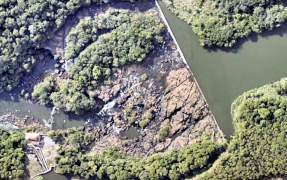
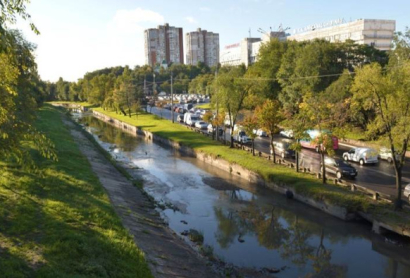
The first tranche of GCF financing supported the completion of eight Green City Action Plans (GCAPs), the tailor-made strategies that help cities identify, prioritise and tackle their most pressing environmental challenges, and ten investments, including the River Bic Rehabilitation and Flood Protection project in Chisinau, Moldova – the first time the EBRD has formally implemented a nature-based solution as part of a project. The second tranche will enable the programme to expand its support for investments in participating cities.
The approval comes as the EBRD and GCF approach 10 years of broader partnership and active project implementation. Over the past decade, the two institutions have worked together across a range of programs and sectors to advance climate mitigation and adaptation, combining GCF concessional resources with EBRD financing, technical expertise and private-sector mobilisation.