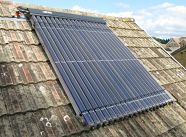

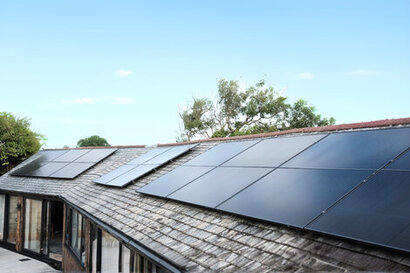
Brits who are living in new homes without integrated solar and battery systems are missing out on about £780 in energy bill savings each year. 167,900 domestic systems were installed between August 2024 and August 2025, generating an estimated £58 million of savings for those households.
Savings accrue because home solar typically meets 30-40 percent of a property’s annual energy demand, and between 60-80 percent when paired with battery storage. This enables households to purchase less energy, with further benefits from export tariffs when excess power is sold back to the grid.
The presence of solar, batteries, heat pumps and high-grade insulation are increasingly marketed as “green premium” features on new-builds - inflating property prices and reducing buyers’ access to savings.
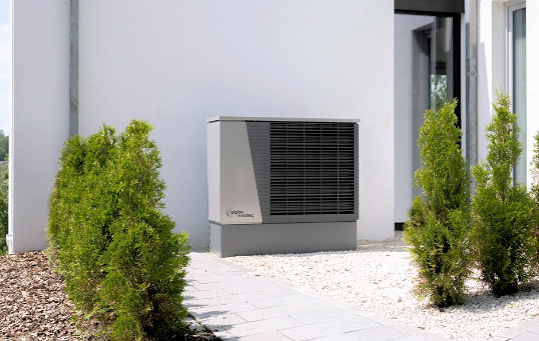
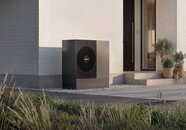
The cost of equipping new homes with renewables systems such as heat pumps and solar and battery systems ranges from £15,000 to £30,000. These costs are often passed directly to the buyer via higher sale prices.
While some research suggests that solar alone can increase a property’s sale price by 6.1 percent - 7.1 percent, that uplift isn’t guaranteed in today’s affordability-strained market.
“Solar technology keeps getting more efficient and affordable - but the ‘green premium’ is a barrier for buyers and developers alike” said Mohamed Gaafar, CEO and Co-Founder of Gryd. “In today’s challenging market, homes priced higher for renewable add-ons are often taking longer to sell - and can leave buyers feeling they’ve overpaid for features they increasingly view as standard. Homebuyers are facing a real predicament: they may not recoup the upfront outlay for these renewable features through cumulative bill savings or via a reliable uplift in the resale value of their property. In a market where affordability is key, it’s overall value - not inflated price tags - that drives sales.”
The Future Homes Standard, due to make rooftop solar mandatory on all new-build homes from 2027, is expected to further accelerate domestic uptake of solar.
“Solar is no longer just an environmental choice - it’s a financial one, and soon it will be a regulatory requirement as well” added Mr Gaafar. “Housebuilders must look for ways to integrate renewables into their projects without pushing costs onto buyers. Solar leasing models such as Gryd’s require no upfront capital from developers and no price premium for buyers. It’s a straightforward route to integrate green infrastructure that delivers immediate energy savings and security for homebuyers, without compromising margins or competitiveness for housebuilders.”
Over the last five years, domestic rooftop solar capacity has grown by 62.8 percent - from 3.6 GW in 2021 to 5.8 GW in 2025, highlighting robust consumer demand as homeowners seek greater control over bills and energy security.
These domestic systems are also making an important contribution to the UK’s net zero targets, with solar-powered homes reducing an estimated 8.3m tonnes of CO2 to date.
For additional information: