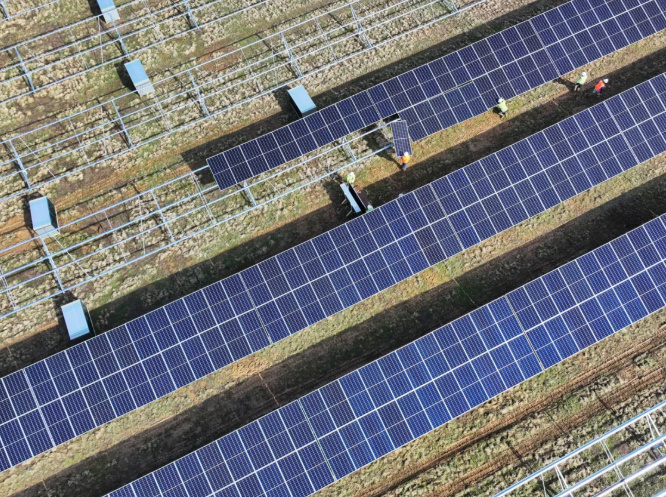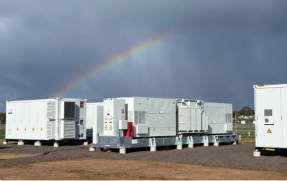


Supported by a 10-year resource adequacy contract, the project will interconnect directly with the university's advanced microgrid, increasing campus energy resilience while helping reduce peak-demand costs.
Crux arranged the debt financing through a targeted and streamlined capital raising process: securing competitive debt and preferred equity proposals within three weeks with the deal closing six weeks after the term sheet was signed. Crux worked closely with EnerSmart, the lender, and legal counsels throughout the process, upsizing the facility to bridge an equity grant and to absorb tariff-driven equipment cost increases.
"We're proud to support EnerSmart's partnership with UC San Diego and the deployment of battery storage that strengthens campus resilience amid growing demand for reliable energy," said Drew Venkatraman, Managing Director of Debt Capital Markets at Crux. "This transaction demonstrates the value of flexible, well-executed financing in bringing critical energy infrastructure to market."
"Bringing a project like this to life takes committed partners working toward a shared goal," said Skyler Tennis, Chief Operating Officer of EnerSmart. "Together with UC San Diego, the California Energy Commission, and our other public- and private-sector partners, we brought together the financing, grant support, energy-market programs, and industry expertise needed to deliver meaningful energy savings to the university while strengthening campus and regional grid resilience. We're grateful to Crux, which understood the project's evolving needs and delivered a flexible financing solution."
The transaction underscores Crux's ability to deliver tailored debt capital solutions for clean energy developers and manufacturers, combining broad access to qualified lenders with data intelligence around pricing and market fluctuations. In addition to debt, Crux supports both developers and investors across the capital stack, including tax and preferred equity and transferable tax credits.
Crux plays an active role in structuring and executing these complex transactions, working closely with developers and manufacturers, investors and intermediaries to navigate diligence, adapt financing structures to evolving project needs, and drive transactions to close. This integrated approach more efficiently scales capital deployment to bring critical energy infrastructure to market.