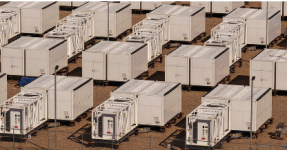


Together, these three facilities can power roughly 300,000 homes for four hours during peak demand or when power is limited due to weather or unexpected interruptions. Additionally, they offer flexibility and backup capacity to ensure that PGE customers have access to electricity when they need it most.
"Batteries play an important role in helping PGE build a more flexible, reliable and diverse generation portfolio," said Darrington Outama, PGE Senior Director of Energy Supply. "In addition to providing power during peak hours every day, batteries enhance our ability to respond to sudden changes in the grid and help keep energy supply and demand balanced. For customers, that means more stable and reliable power, all at the lowest possible cost."
Strategically located at key substations in North Portland, Troutdale and Hillsboro, these four-hour lithium-ion battery energy storage systems are integrated into PGE's system to better align the production and consumption of electricity, which reduces strain on the grid. Battery storage reduces PGE's reliance on expensive short-term electricity purchases, helping stabilize energy costs, limit price volatility for customers, and support the integration of intermittent sources like wind and solar.
Two of the newly operational facilities, successfully developed and awarded to Eolian, L.P. (Eolian) through Portland General Electric's 2021 All-Source Request for Proposals (RFP) process, include:
"Battery energy storage systems sited at major substations radically improve the use of existing high voltage transmission lines, avoiding expensive or challenging new grid upgrades and providing a low-cost load growth solution through existing infrastructure," said Aaron Zubaty, CEO of Eolian.
In addition to the three new large-scale battery facilities, PGE completed its 17 MW Coffee Creek Battery Storage system near Wilsonville in 2024. The completion of Seaside, Sundial, Constable and Coffee Creek brings PGE's large-scale battery storage capacity to 492 MW.