

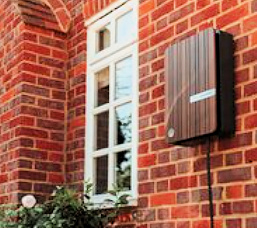
The fascias combine sustainable materials with a 'heritage' design, reflecting growing demand from homeowners for EV charging points that complement architectural styles and home design.
Accoya wood is made from the wood of the Radiata Pine ( Pinus radiata ) which is subsequently subjected to a proprietary, non-toxic modification process called acetylation. This process alters the wood's cellular structure by changing water-absorbing chemical groups into acetyl groups, making the wood highly durable, rot-resistant, and incredibly stable.
The downside is that Accoya wood is significantly more expensive than other types of wood, both softwoods and some hardwoods. Another problem is that the acetylation process leaves the wood slightly acidic. This means that standard nails and screws will rust rapidly, meaning you must use premium corrosion-resistant stainless-steel fasteners.
Andersen has attempted to establish design-led home charging and has partnered with English Heritage in order to reflect that organisation's role in caring for and celebrating the places, stories and craftsmanship that have shaped England's history.
“Home charging is becoming part of the fabric of people's homes, so it should be designed with the same care and attention as any other architectural detail” said David Martell, Chief Executive of Andersen. "Our partnership with English Heritage allows us to celebrate historic British design in a modern, functional product, using a material that is both beautiful and exceptionally durable. These limited-edition fascias bring together heritage, sustainability and craftsmanship in a way that feels distinctly Andersen."
The two limited-edition fascias will be available across Andersen Quartz and Andersen A2/A3 home chargers, offering customers a distinctive new way to complement their home's architecture and interior style.
The first design, Wrest Park, consists of a rich redwood stain inspired by the Giant Redwood tree at Wrest Park in Bedfordshire. The deeper wood finish has previously proven popular with Andersen customers.
The second design, Eltham Palace, takes inspiration from the Blackbean veneer of the palace's entrance hall, designed by Swedish designer Rolf Engströmer. Its rich, dark tone captures the elegance, depth and architectural confidence of the space, creating a refined finish that aligns closely with Andersen's design-led approach.
“It's been fantastic bringing a product to the market that celebrates heritage, sustainability and craftsmanship” added Alexandra Bovey, Licensing Manager for English Heritage. "Being able to tell the stories of our sites to more people is a real pleasure, and we're proud of the products that Andersen has developed to do just that. Every time a product from the English Heritage collection is purchased, the customer is also helping to care for our heritage."
The limited-edition English Heritage fascias will be available in limited quantities directly through the Andersen website (see below for link).
For additional information: