
Between 2018 and 2023, annual CO₂ cuts from the sector were about 16.5 million tonnes: and it has to double by 2030, the study says.
The report points to stalled renovations as the main cause. Only 1 percent of buildings are upgraded each year, while deep retrofits reach just 0.2-0.3 percent of the existing stock. At the same time, embodied emissions are rising, with cement and brick demand increasing by 18 percent over five years.
Energy experts from Exergio, a company that develops AI-based solutions for energy efficiency in commercial properties, say this reflects a blind spot in EU policy.
“Deep renovations cover less than 1 percent of the building stock each year, which I hardly can call progress” said Donatas Karčiauskas, CEO of Exergio. “Even light measures like replacing windows or swapping boilers have slowed. Despite that, Europe still overlooks digital retrofits. With AI optimisation, buildings could already cut emissions by up to 30 percent without waiting for construction work.”
The report also points to electrification, another cornerstone of climate neutrality, where progress has flatlined. The EU target is to lift electrification from 21.3 percent in 2022 to 32 percent by 2030 yet demand for the necessary equipment is “moving in the wrong direction”.
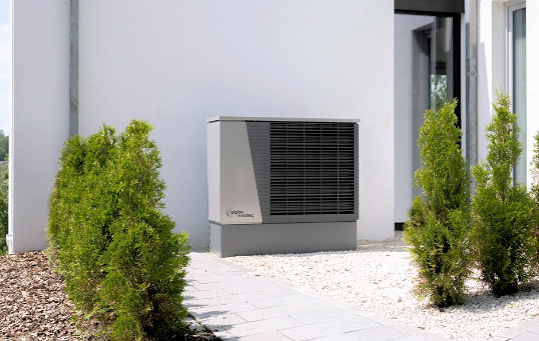
Heat pump sales which are central to replacing fossil fuel heating with electricity, fell in 2023-24. Annual investments in them are about 19 billion euros against the 55 billion euros required to reach 30 million units by 2030. ECNO adds that enabling infrastructure, such as smart meters and optimisation tools, has been ‘far too slow’ or not tracked at all.
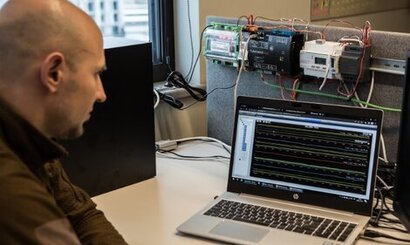
“Smart meters and optimisation tools are the backbone that makes electrification work” added Mr Karčiauskas, arguing that Europe is missing the bigger picture. They track electricity and heat use in short intervals, often every 15 minutes, and show how demand changes across floors or tenants. Occupancy sensors add another layer by showing when rooms are actually used. With that data, AI can, for example, warm offices before staff arrive in the morning, cool meeting rooms before they fill up in the afternoon, or shift energy use to cheaper night-time tariffs. Without this system, installing more heat pumps will not deliver the expected results.”
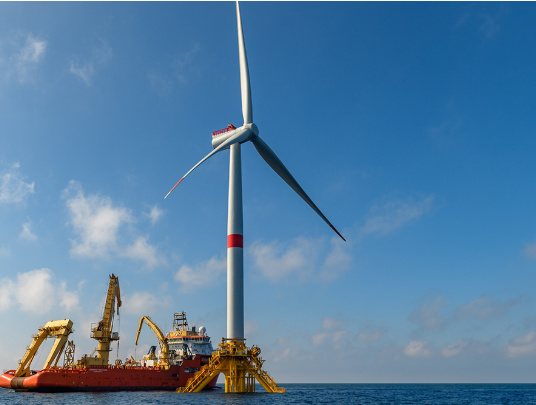
Weakness in infrastructure is mirrored by a funding gap. ECNO estimates that the climate investment lacked 344 billion euros in 2023. As previously shown, it is reflected in stalled renovations, falling heat pump sales, weaker EV demand, and a slowdown in wind power projects.
This shortage of capital drags on Europe’s ability to produce the technologies it needs, from heat pumps and batteries to wind turbines and building controls and doesn’t allow manufacturing to expand, Karčiauskas claimed.
At the same time, fossil fuel subsidies are climbing. Europe spent 400 billion euros on imported oil and gas in 2024 – around 2 percent of GDP. Here, households are paying the price: 11 percent of EU families cannot afford adequate heating, cooling, or electricity, found the authors of the study.
“The report leaves little doubt: without tackling buildings, the EU cannot deliver climate neutrality” said Mr Karčiauskas. “Digital retrofits should be treated as part of the transition toolkit, cutting emissions immediately, enabling electrification, and providing the performance data policymakers still lack.”
For additional information: