
With over 5.7 GW of controllable capacity, Kraken has overtaken the scale of Poland’s Bełchatów Power Station – the continent’s biggest and most polluting coal plant.
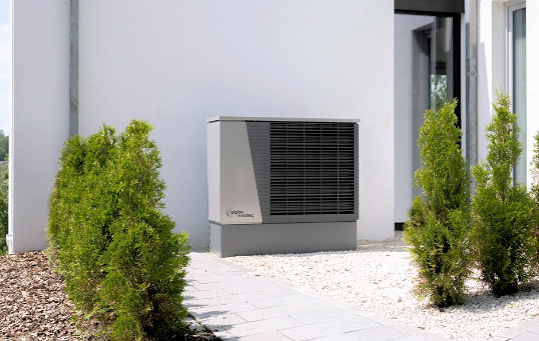
Kraken’s virtual power plant combines 3.2 GW of dispatchable generation and grid-scale battery storage with 2.5 GW of residential flexibility, including electric vehicles and heat pumps. Together, these assets operate as a single, coordinated system, delivering power when it is needed most and reducing reliance on fossil fuels.
Current power grids are built to meet infrequent peaks in demand and remain under-utilised for much of the day. Under the status-quo, global investment in transmission infrastructure is forecast to exceed $200 billion by 2030, largely to serve these short-lived peaks. European electricity networks are particularly under-utilised. Low-voltage networks, the final stage of the grid connecting to homes, typically operate at just 2 to 21 percent utilisation.
Kraken tackles this inefficiency through flexibility. By shifting when energy is produced and consumed, the company’s technology flattens peak demand, spreads energy usage more evenly across the day, and enables far greater use of existing infrastructure. The result is lower costs, reduced need for expensive grid upgrades and faster progress on decarbonisation.
The technology monitors the grid and markets in real time, coordinating when grid-scale batteries and flexible generation store and dispatch energy, while shifting the consumption of hundreds of thousands of consumer devices such as EVs and heat pumps to periods when power is clean, cheap and abundant. This cuts bills for consumers, reduces reliance on fossil-fuels, and strengthens grid resilience against outages.
As the energy system transitions away from a handful of centralised fossil-fuel mega plants, Kraken orchestrates hundreds of thousands of distributed clean energy resources to deliver capacity without smokestacks and power without concrete.
This milestone signals that the era of fossil-fuel dominance is ending – not through more steel in the ground, but through consumer participation, software, and the flexibility of millions of devices working in sync to create a modern, abundant, and resilient energy system.
“Surpassing the capacity of Europe’s largest coal plant shows that virtual power plants are no longer niche technology” said Devrim Celal, Chief Flexibility and Marketing Officer at Kraken. “They are rapidly becoming a backbone of tomorrow’s grid. Kraken gives utilities and asset owners real-time control over clean power, turning intermittent renewables into reliable, dispatchable energy and accelerating the move beyond coal.”
For additional information: