
This collaboration represents a key step in the working relationship between LUMA and private developers, who play an essential role in the country’s energy development.
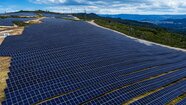
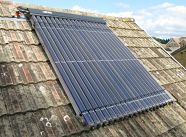
The construction of this substation, designed and developed by Ciro Energy Group, is an essential requirement for the integration of the project, which will be able to supply the consumption of over 75,000 customers in Puerto Rico. The Ciro 1 project includes 260,000 solar panels, battery storage systems, and state-of-the-art digital technology capable of withstanding winds of up to 175 miles per hour.
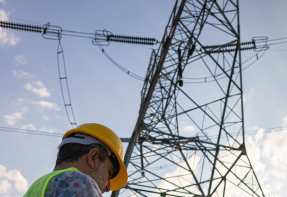
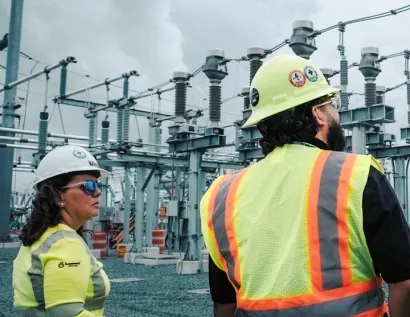
In addition, the new substation for this solar project incorporates cutting-edge digital technology that enables faster response to outages, improves system stability, and strengthens service reliability for customers.
This achievement also marks the beginning of a broader collaboration with local and international companies dedicated to expanding renewable generation on the Island. LUMA’s role as an integrator of these new generation sources is fundamental to ensuring a safe, reliable energy transition aligned with industry standards. The interconnection processes, led by LUMA, ensure the proper integration of electrical systems and prepare the grid to operate with greater resilience under adverse weather conditions.
“This is just the beginning of a new stage for our electric grid: smarter, more resilient, and ready for the future. The integration of these new renewable energy sources demonstrates what we can achieve when the public and private sectors work together,” said Pedro Meléndez, LUMA’s Chief Officer of Capital Programs and Grid Transformation, who emphasized that diversification in generation will allow the system to operate more efficiently and sustainably.
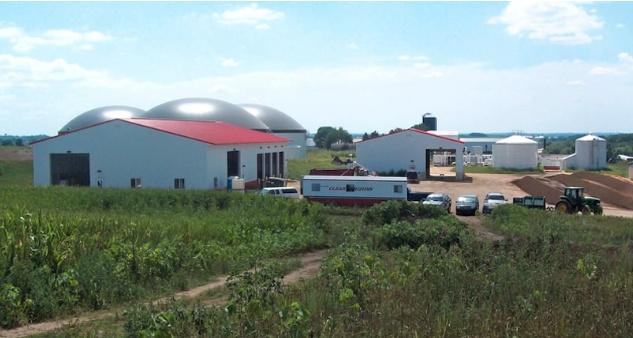
In a second phase, the integration of two other renewable generation projects developed by Clean Flexible Energy is planned, which will add an additional 220 MW. Finally, in a third phase, the Ciro 2 and Guayama projects, also developed by Ciro Energy Group, will be integrated, completing the incorporation of the planned 420 MW.