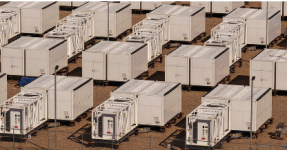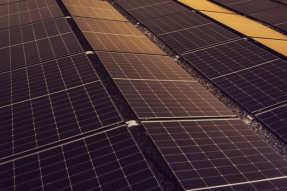

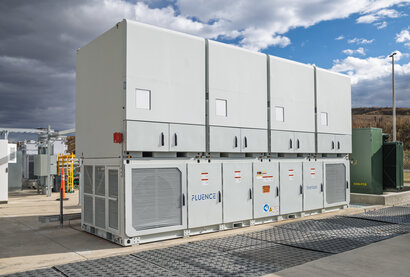
Rexford 2 will include a 200 MW/800 MWh battery energy storage system paired with a solar facility. Once operational, the project is expected to deliver firm, on-demand capacity to the California grid, enough to power 84,000 Southern California homes with clean, reliable energy.
Fluence will deploy its 4-hour duration Smartstack system incorporating US domestic content. The system will utilise Fluence’s network of partner manufacturing facilities in states including Utah, South Carolina, and Texas, where key components such as battery cells, modules, enclosures, and thermal management systems are produced. By drawing on this US-based manufacturing network, the project will support the continued advancement of domestically produced energy storage technology.
“Delivering a project of this magnitude requires deep expertise to help ensure long-term performance” said John Zahurancik, Chief Customer Success Officer at Fluence. “By combining our end-to-end EPC capabilities with our advanced, US-built Smartstack solution, we are streamlining deployment for Avantus. We are proud to leverage our proven track record to build a highly reliable and flexible power foundation for California’s energy future.”
Rexford 2 is expected to create more than 500 union jobs at peak construction, in addition to permanent local operations roles. The project is projected to generate hundreds of millions of dollars in local tax revenue for Tulare County, supporting public services and infrastructure. Additionally, Rexford 2 will be constructed on previously disturbed land, minimising environmental impacts.
“Providing affordable, reliable clean energy solutions at scale requires the right partners” added Tony Frontino, Executive Vice President of Strategic Sourcing and Asset Management at Avantus. “Our work with Fluence on Rexford 2 will strengthen the grid, build domestic supply chains, and bring much-needed energy capacity to California.”
Construction of Rexford 2 is expected to begin in 2027, and the project is targeted to reach commercial operation in late 2028.
For additional information: