
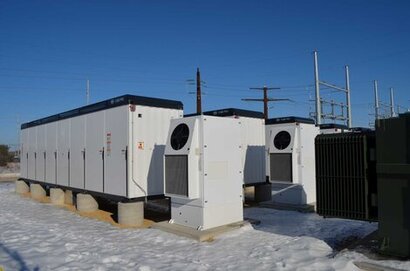
The newly operational battery captures and stores excess energy generated by solar and other resources, then releases the energy to the grid, as needed.
“Energy storage systems, like this one, complement our existing generation resources and serve as an incredibly important step toward creating a more intelligent and resilient grid” said David de Leon, president of Alliant Energy’s Wisconsin energy company. “The combination of BESS and solar is a critical part of our balanced energy portfolio. Collectively, they offer enormous potential, adding value and flexibility, while ensuring the availability of reliable and cost-effective energy for our customers.”
When demand is low, excess electricity is stored by the battery and then released, when needed. The BESS system in the Town of Potosi within Grant County can power over 100,000 homes for up to four hours on a single charge.
With battery technology advancing by leaps and bounds, energy storage installations are escalating and setting new records in the United States – and saving customers money. A recent analysis showed releasing stored energy when the grid needs it most saved Texans an estimated $750 million. Similarly, Alliant Energy customers could expect savings, through avoided costs, as additional BESS projects become operational.
Adding battery storage is part of Alliant Energy’s comprehensive Energy Blueprint, the company’s roadmap for advancing their balanced energy mix. As the electric grid continues evolving, the company is leading the way with innovative solutions, integrating emerging technologies and optimising energy resources such as wind, solar, hydro and traditional generation systems. These efforts improve reliability, resiliency and efficiency while also keeping customer rates as low as possible.
Energy storage infrastructure is a newer part of Alliant Energy's strategy and a key part of bolstering their investments in renewable energy. Battery storage positions Alliant Energy to meet demand, reduce the need for traditional power grid updates and ensures preparedness for outages and severe weather.
For additional information: