
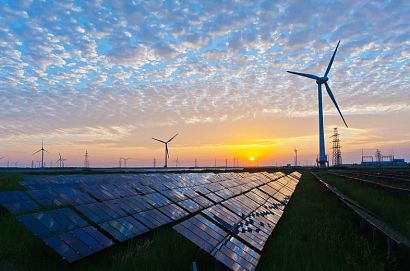
As Türkiye prepares to host COP31, the Türkiye Electricity Review 2025 shows that the country started to make progress on a clean power sector - a reversal in recent years. With a 33 GW project stock already approved, Türkiye is emerging as a frontrunner in the battery storage pipeline.
The 2022 triggered a record-breaking 221 GW of applications within months, with 33 GW already approved. While the EU’s top storage markets, such as Germany and Italy, sit at 12–13 GW, Türkiye has created a pipeline equivalent to 83 percent of its current wind and solar capacity.
“By mandating storage with renewables, Türkiye hasn't just increased its targets; it has created a massive investment signal that outstrips its European peers” said Ufuk Alparslan, the report’s author. “If delivered, Türkiye’s battery pipeline will be the backbone of a new, clean regional energy hub.”
Turkey generates a fifth of its power from wind and solar, making the country a regional clean power leader.
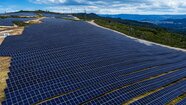
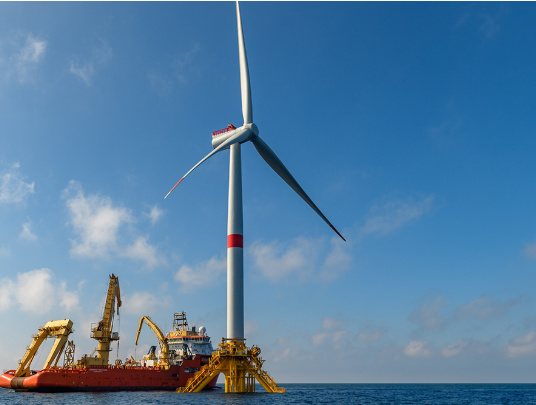
According to the findings, wind and solar reached a combined 22 percent share of electricity generation, making Turkey the undisputed leader among 16 countries in the Middle East, Caucasus and Central Asia. It is the only country in this broader region where wind and solar have surpassed a 20 percent share of electricity generation.
However, Turkey still trails behind many European peers, ranking 15th in Europe for wind generation and 16th for total renewables generation. The country will also still need to triple its current solar and wind capacity to reach out its 120 GW target for 2035.
“We need to be realistic about the hurdles ahead” added Mr Alparslan. “Despite its leadership in batteries and regional rankings, Türkiye needs to deliver on a fast pace of wind and solar installation to meet targets and catch up with European peers. This requires surpassing the record level of deployment achieved in 2025. Türkiye has a unique opportunity to turn its regional leadership in renewables into a global advantage. By accelerating its storage projects and modernizing its grid, Türkiye can finally break its coal dependency. Ahead of COP31, the country is proving it has the potential to move from the 'middle of the pack' in Europe to a pioneer for the entire region.”
Coal remains Türkiye’s primary power source at 34 percent, with two-thirds of that production relying on imports. Although production growth has begun to slow, it has yet to peak. While no new coal plants have been commissioned during the last three years, a 2025 purchase guarantee for domestic coal risks driving up coal generation in 2026.
For additional information: