
Technological progress and population growth have led to an increase in intensive livestock farming and a rise in methane emissions from agricultural and livestock waste, a major contributor to climate change. A promising solution is the conversion of livestock manure into biogas.
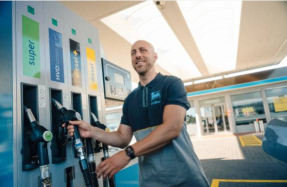
A scientific team, including researchers from the Polytechnic University of Madrid ( UPM ), proposes a new method for obtaining biomethane from biogas: decentralized production. The proposal involves producing biogas on multiple farms and then transporting it to a central facility for treatment and upgrading. After this process, the biomethane could be used as fuel in vehicles or injected into the gas network.
Given that agriculture is the main source of methane emissions, developing effective mitigation strategies is essential. Anaerobic digestion offers a sustainable solution by valorizing manure into biogas. Small-scale systems are cost-effective and energy-efficient, but converting biogas into biomethane presents a challenge in small-scale projects. A study conducted by researchers from the School of Mining and Energy Engineering ( ETSIME ) at the Polytechnic University of Madrid (UPM), the University Institute for Research in Sustainable Processes ( IPS ) at the University of Valladolid, and the consultancy Ntt Data Europe & Latam Green Engineering aimed to develop a business model for decentralized biogas production and analyze its impact on the Sustainable Development Goals.
The results of the techno-economic study show that the total biomethane production is 11,780 MWh/year, considering 48 farms. The initial investment cost is €7,650,000 and the operating cost is €1,095,000/year. Based on these results, the break-even price of biomethane can be calculated for different time horizons.
Beyond the technical and economic feasibility findings, this study also provides conclusions of broader strategic relevance. Three main players have been identified in the market: farms, which need to comply with environmental regulations regarding waste treatment; large investors, interested in generating renewable energy and reducing their emissions; and potential consumers of biomethane, such as vehicle fleets or heavy-duty trucks. The study's conclusions indicate the need to establish communication plans with all stakeholders.
"The model we have developed shows how small livestock farms can collectively overcome the limitations associated with small-scale production, thanks to the pooling of resources, the shared use of infrastructure and the distribution of risk," said Pilar Martínez Hernando, a researcher at the UPM and lead author of the study.