

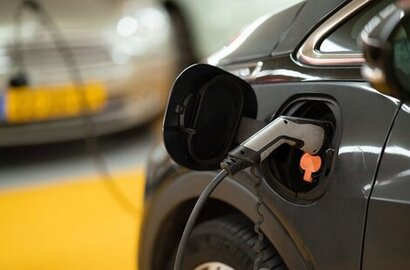
Under the government’s ZEV mandate, 80 percent of new cars sold must be zero emission by 2030, when sales of new pure petrol and diesel cars end. Regardless of any target tinkering, vehicle electrification is inevitable. Most EV drivers rely on charging where they live and work. If those chargers fail, drivers lose confidence and the transition risks stalling.
By contrast, public operators must keep their rapid networks working 99 percent of the time under the Public Charge Point Regulations 2023, while large delivery fleets lose money every hour a vehicle sits off the road, so both have every reason to get faulty chargers fixed fast. The private chargers run by everyone else have no such rules and their upkeep is usually one job among many for someone without charging expertise.
“Businesses, landlords and public bodies have invested hundreds of thousands of pounds in charging, yet in many cases there’s no one really owning the long-term interests of looking after it properly” said Chris Cheetham, founder and CEO of Safer Charging. “The first and second waves of chargers are now ageing: warranties are running out, installers may have gone bust and taken their maintenance contracts with them, and some manufacturers have left the UK altogether, leaving orphaned chargers with nobody to fix them. Public networks get all the attention because the regulations force them to, while this missing middle of private networks doesn’t get the attention it deserves. If people can’t rely on the chargers where they work and live, Britain’s switch to electric will stall.”
Unmaintained chargers break down, leaving drivers and fleets without charging and pushing them onto expensive public rapid chargers.
Neglected chargers can also fall out of compliance, creating liability for the site owner.
EVs are far less likely to catch fire than petrol or diesel cars, but when they do, toxic gases and firewater run-off are major risks. Safer Charging’s independent fire risk assessments give sites practical, often low-cost steps to be better prepared, and front-foot evidence to show insurers which standard commercial assessments frequently overlook.
For additional information: