


The study shows how generating electricity on-site can improve environmental performance. The findings highlight the importance of clean energy, efficient production, and sustainable biomass sourcing in developing carbon-negative hydrogen technologies that could support a cleaner energy future.
Hydrogen could help industries reduce their dependence on fossil fuels, but its environmental benefits depend largely on how it is produced. Conventional hydrogen production can release substantial amounts of greenhouse gases, creating a need for technologies that not only reduce emissions but also help remove carbon dioxide from the atmosphere.
Researchers at Jeonbuk National University, South Korea, have studied how combining biomass-based hydrogen production with carbon capture and storage could address this challenge. Their findings suggest that generating electricity within the production facility, rather than relying on the power grid, could significantly improve the climate benefits of hydrogen production. The paper was made available online on May 19, 2026, and published in Volume 456 of the journal Bioresource Technology on September 1, 2026.
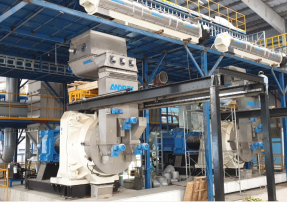
The approach, known as bioenergy with carbon capture and storage (BECCS), uses organic materials such as wood pellets to produce hydrogen while capturing the carbon dioxide released during processing and storing it underground. When biomass is sourced sustainably and the captured carbon remains securely stored, the process could remove more greenhouse gases than it releases.
To assess its environmental benefits, the researchers examined emissions across the entire production process, including biomass supply, transportation, hydrogen production, and carbon storage. They compared two systems designed to produce similar amounts of hydrogen: one using electricity from the power grid and another generating its own electricity from biomass and heat recovered during production.
Both systems showed the potential to achieve net-negative greenhouse gas emissions, meaning they could remove more greenhouse gases from the atmosphere than they release. However, the system generating electricity on-site offered substantially greater climate benefits under the study's assumptions. By using additional biomass and recovering heat from the production process, it reduced dependence on grid electricity and the emissions associated with energy-intensive operations.
“Producing hydrogen with biomass and carbon capture offers an opportunity to generate clean energy while removing carbon dioxide from the atmosphere” said Professor See Hoon Lee of Jeonbuk National University. “However, understanding emissions across the entire supply chain is essential to determining whether these systems can deliver meaningful climate benefits.”
The researchers also found that hydrogen production efficiency and sustainable biomass sourcing played important roles in determining the overall environmental impact. Although both systems showed potential climate benefits, the assessment identified other environmental concerns, including effects on soil and freshwater ecosystems. These findings highlight the importance of considering the broader environmental consequences of hydrogen production.
“Our findings show that the electricity supply strategy can significantly influence the environmental performance of biomass-based hydrogen production” added Ha Eun Lee, the study's first author and a doctoral researcher at Jeonbuk National University. “Combining efficient processes with clean energy and responsible biomass sourcing will be critical for achieving reliable carbon-negative outcomes.”
Overall, these findings provide useful guidance for developing future hydrogen production plants. Combining sustainable biomass, carbon capture, and on-site electricity generation could help industries reduce greenhouse gas emissions and move toward cleaner energy production.
For additional information: