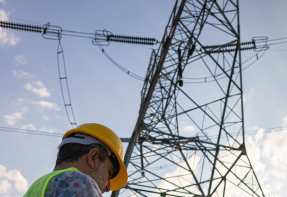

Traditional energy methods rely on the shared grid. When a storm hits or a car crashes into a pole, power can go out for hours or days, depending on the incident's severity. Homeowners have no control over when energy companies will restore power after outages. Because everyone shares the same grid, energy costs more during peak operational hours, typically in the evening when most individuals are home from work. Energy independence eliminates these issues and allows homeowners to control their own energy, introducing a new field for marketing as well.
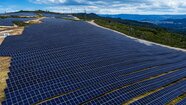
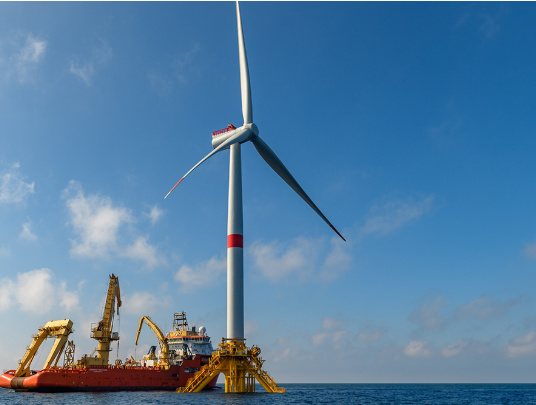
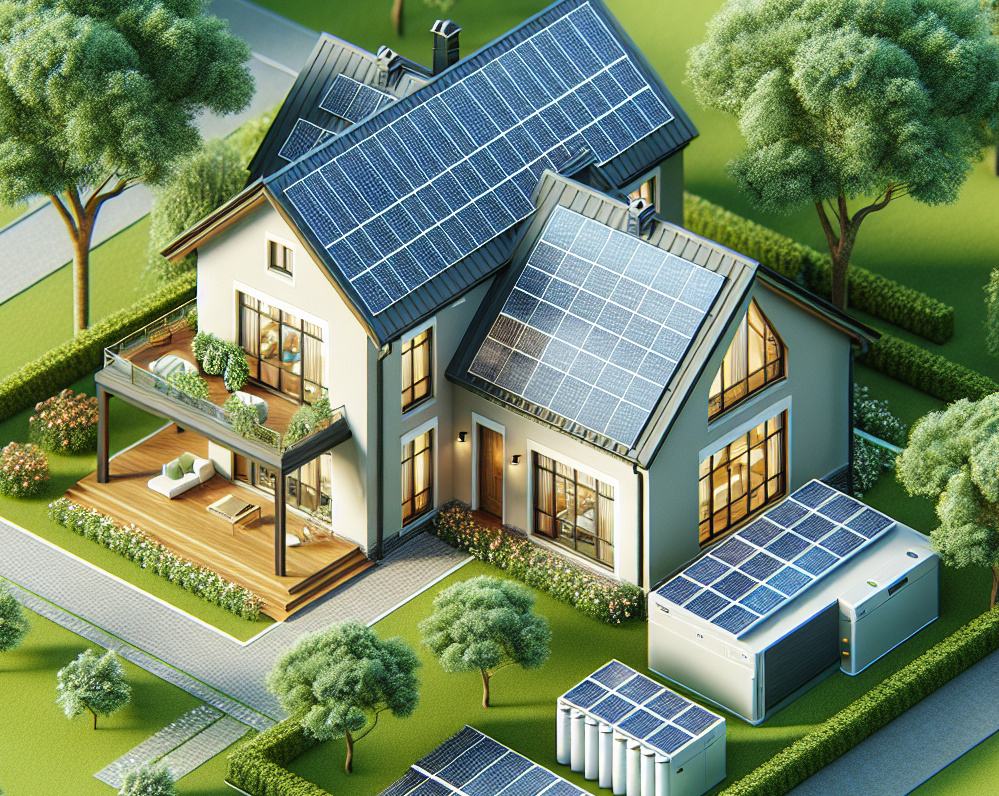
Home battery storage enables energy independence by providing a backup power source during prolonged outages. Homeowners can store energy from renewable sources, like solar panels on their roofs or wind turbines on a nearby mountain, in home batteries. The batteries store energy until it is needed, such as during outages, storms or peak energy hours. Home battery storage can give homeowners more control over their energy usage and reduce reliance on shared grids.
There are plenty of benefits to home battery storage. Energy independence allows homeowners more control and freedom over their energy consumption.
Home battery storage allows for prolonged power during outages. It also keeps the system running at night if residents are up late or want more heat during the cold winter months. Homeowners with a backup battery experience heat, Wi-Fi connection, refrigerator power and lighting during intense outages in their area.
Renewable energy utilizes power from the environment, so homeowners do not have to pay for power supplied by the grid. When they use their home battery storage, they can save money by avoiding grid charges. Homeowners could retain a significant amount of money by supplying their own energy. Solar energy alone can save residents around $1,500 a year, depending on various factors. It is also a marketable alternative to traditional energy sales for businesses.
When citizens use renewable energy sources, the government sometimes provides incentives, such as tax cuts or other initiatives, to encourage more sustainable practices. Corporations and homeowners can receive these benefits if they use solar panels, wind turbines, hydro power, or other energy sources. Specific regions offer additional benefits, depending on their ongoing green initiatives.
As climate change becomes a growing concern, many citizens are promoting more sustainable lifestyles. Thrifting, recycling, reusable energy and other strategies are becoming more common. Batteries are also a good backup plan for unpredictable weather conditions brought by climate change. Having a home battery storage unit prepares homeowners for a more sustainable, fortified future.
Homeowners should consider several factors before purchasing renewable energy sources or home battery storage.
The house's location plays a role. Homeowners in densely populated areas typically face higher energy costs, making home battery storage a worthwhile investment. Some regions lack government incentives for renewable energy, so the initial investment may not be feasible without those discounts. A related factor is the weather in each area. For example, excessive sunlight is a strong complement to solar power, whereas places with little sunlight for most of the year may not be ideal.
Home battery storage requires a significant amount of capacity to operate correctly. Homeowners should investigate their home's electrical capacity to determine whether it can support the power requirements of the battery and renewable energy system. The size of the system also contributes to energy capacity. Homeowners should perform an energy audit to determine the amount of energy their system needs to maintain the home accurately.
Batteries themselves are often expensive up front. Good batteries are expensive, but more last longer than less expensive ones. They also offer more prolonged energy savings. Still, homeowners should research the costs and determine what kind of home battery is feasible for their home. Utilizing batteries on a massive scale is still in the works, but scientists are trying to improve their performance for corporations and cities.
Homeowners must perform regular maintenance checks on batteries. Fortunately, expensive batteries commonly do not need as much maintenance and have a more extended warranty. Accidents and other occurrences can still weaken the system, so having an electrician on call can be beneficial.
Even with personal home battery storage, homeowners can save energy in additional ways. They should practice simple methods such as turning the thermostat to 68 degrees during the winter and powering down computers, televisions and other devices when not in use. Individuals should also check their home's ducts for leaks. These practices can help them get the most out of their energy, whether it comes from the grid or a personal source.
Technicians are developing ways to decentralize energy from the power grid and direct it to individual batteries. Virtual Power Plants (VPPs) may become more common in the future. Factories, utility companies and other personnel will make deals with homeowners to draw electricity from their batteries during critical times, which can create a new source of revenue for homeowners.
Home battery storage is the future for homeowners' energy independence and a new market for professionals in the renewable energy sector to tap into. These systems can improve overall home life by reducing energy costs and protecting households from major outages.