

South-East England recorded the highest number of installations during the period at 23,135, closely followed by the South-West, at 23,097. However, only 43 percent of homeowners are aware of air source heat pumps, according to the survey of 500 homeowners by Redrow, while just 39 percent are aware of ground source heat pumps. Awareness drops further for water source heat pumps (23 percent) and exhaust air heat pumps (11 percent).
More than three quarters (77 percent) of homeowners are not confident they understand how a heat pump works.
Oliver Novakovic, Technical & Innovation Director at Barratt Redrow, has spent the past four years researching heat pumps alongside scientists at The University of Salford’s Energy House 2.0.
“Combined with high levels of insulation and smart home design, heat pumps are helping to create homes that are comfortable, energy efficient and ready for the future” said Mr Novakovic.
Redrow’s survey reveals some of the most persistent misconceptions surrounding heat pumps, while Novakovic shares the realities homeowners should know.
Myth one: 30 percent think heat pumps look unattractive
Myth two: 29 percent think you need a large outdoor space to install a heat pump
Myth three: 21 percent think heat pumps are noisy
Myth four: 17 percent think heat pumps only provide heating
Myth five: 10 percent think heat pumps only work effectively in warm weather
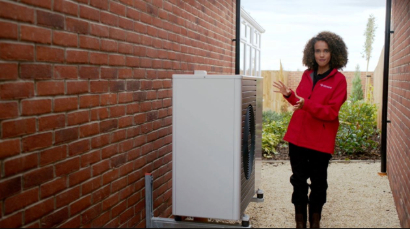
“Modern heat pumps can be carefully integrated into landscaping and garden layouts while maintaining performance and maintenance access” added Mr Novakovic. “There are heat pumps that fit into cupboards and we are looking at other less used areas to install heat pumps such as roofs. Today's units are typically no louder than a modern refrigerator when operating. Some systems can also provide cooling when installed with compatible equipment. Heat pumps are designed to operate effectively throughout Nordic winter, which can go to -20deg C, so can cope with a typical British winter.
Uncertainty extends beyond how heat pumps work, as homeowners are also unclear about how to use them most effectively.
Almost three quarters (73 percent) of homeowners said they were not confident that they could use a heat pump effectively to heat their home during winter.
When used effectively, air source heat pumps can cost as little as £1.84 on a typical winter day to heat a home and can be more efficient than traditional gas boilers because they keep a more constant temperature, rather than relying on spikes of heat.
Following extensive testing at Energy House 2.0, Mr Novakovic found that consumers may need to change their heating habits if switching from a gas boiler to a heat pump.
“The most common method of heating homes in the UK is currently gas boilers, which are designed to reach temperatures of up to 70 °C quickly and be used for short periods of time that fit around lifestyles, usually morning and evening heating” said Mr Novakovic. “During the winter condition tests at the Energy House 2.0 climate chamber, the electrified heating systems did not perform well when used in the same way that consumers with gas boilers would use heating. Instead, consumers with heat pumps would need to adjust to using them in a more constant way to get the best heat at the most efficient cost.”
As more homeowners make the switch to low-carbon heating, builders are increasingly incorporating heat pumps into new homes. At Barratt Redrow, the number of homes fitted with a heat pump increased by 148 percent between financial year 2025 and financial year 2026, reflecting growing demand for the technology.
All of Redrow’s Eco Electric homes are fitted with an air source heat pump and achieve an Energy Performance Certificate (EPC) rating of B or higher.
For additional information: