

GlobalData’s latest report, “India Power Market Trends and Analysis by Capacity, Generation, Transmission, Distribution, Regulations, Key Players and Forecast to 2035,” reveals that solar-plus-storage tenders are rising sharply, breaking ground on hybrid formats that offer more predictable dispatch and value to utilities and consumers alike—especially as midday solar peaks meet evening demand.
Attaurrahman Ojindaram Saibasan, Power Analyst at GlobalData, comments, “Hybrid power is no longer experimental in India—it’s becoming mainstream. Solar plus battery tenders are increasing not just in volume, but in importance; they reduce revenue risk, improve grid flexibility, and help avoid costly curtailment in a sector growing by hundreds of GW. To sustain this momentum, auction design, grid readiness, and regulatory certainty must improve.”
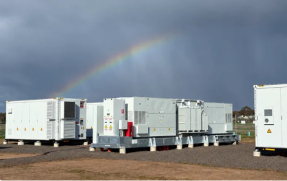
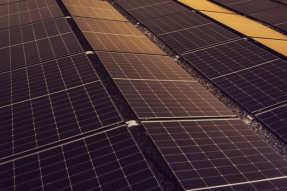
In January 2026, India’s Solar Energy Corporation (SECI) concluded a major new tender to deploy 1.2GW of solar power paired with battery storage totaling 3.6GWh, with all projects operating under long-term power purchase agreements. This initiative represents one of the country’s more ambitious hybrid energy procurement efforts to date—combining solar generation and storage at scale.
Saibasan adds, “Developers are watching carefully as auction rules, storage compensation, grid interconnection, and battery performance guarantees become points of negotiation. Projects that navigate these risks well can secure compelling economics and stable returns.”
Demand in India is forecast to jump steeply from around 1,418TWh in 2025 to nearly 1,945TWh by 2030, driven by industrial load, cooling demand, and EV adoption. Hybrid power helps bridge gaps between variable generation and peak loads, particularly in states facing transmission constraints or high solar potential but weak connectivity.”
Saibasan concludes, “For hybrid developers, utilities, and financiers, this is a moment to scale. Hybrid auctions offer a path to combine clean generation, stability, and revenue consistency. But success depends on whether India can iron out grid, regulatory, and quality-of-execution seams quickly.”