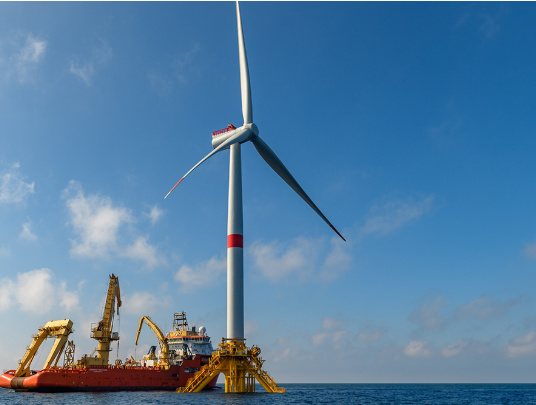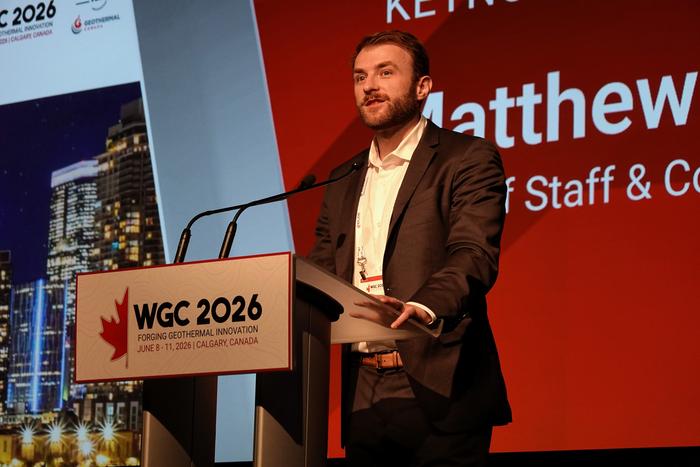


The conference, “Shifting electricity production to renewables to avoid another energy crisis: the Lithuanian case”, examined how accelerating permitting, unlocking investment and removing barriers to deployment, Lithuania increased its solar and wind power generation by around fourfold in just four years.
“In April, solar and wind covered 84 percent of Lithuania’s electricity demand, while domestic production reached 99 percent” MEP Petras Auštrevičius said at the event. “Lithuania is proving that renewables are central to energy resilience. Other countries can learn from Lithuania’s progress.”
Domantas Tracevičius, a member of the European Economic and Social Committee (EESC) presented a report from Lithuanian NGO Ziedine ekonomikaon the growth of renewables in Lithuania’s power sector.
Key findings from the report show:
The number of prosumers in Lithuania increased from approximately 18,800 in 2021 to 174,500 in 2025;
The installed capacity of solar power increased from 225 MW in 2021 to 3284 MW in 2025;
Wind power capacity increased from 623 MW in 2021 to 2535 MW in 2025.
These numbers continue to grow at a similar pace in 2026 in comparison to 2025 where renewables accounted for roughly 70 percent of domestic electricity generation supplying around 50 percent of total electricity consumption, driven primarily by rapid solar and wind growth.
By 2028, under the current Government Programme, Lithuania aims to have domestic electricity consumption be powered by 100 percent renewable power, with the additional aim of becoming a net exporter of electricity powered primarily by renewable energy.
“As Europe endures one of the worst energy crises ever, Lithuania has already provided a stark example of how to turn a crisis into an opportunity" said Domantas Tracevičius. “Within a few years, Lithuania will have undergone from being a major consumer of fossil fuels for power generation to being a net exporter of renewable electricity in a couple of years.”
Other expert guests who presented at the event included Dr Beata Vilimaitė Šilobritienė, Chief Adviser at the Ministry of Environment, Paulius Butkus, Head of Development and Innovation at EPSO-G Group and Agnė Markauskienė, Head of the Green Transformation Department at APVA.
Speakers argued that Lithuania’s experience offers a broader policy lesson for Europe: with faster permitting, smarter grid rules and clear political commitment, renewable electricity deployment can accelerate within years — not decades.
The conference highlighted several lessons for the EU: speed up permitting, make better use of existing grids, support prosumers and local communities, and treat renewable electricity as a strategic resilience tool — not only as climate policy.
For additional information: