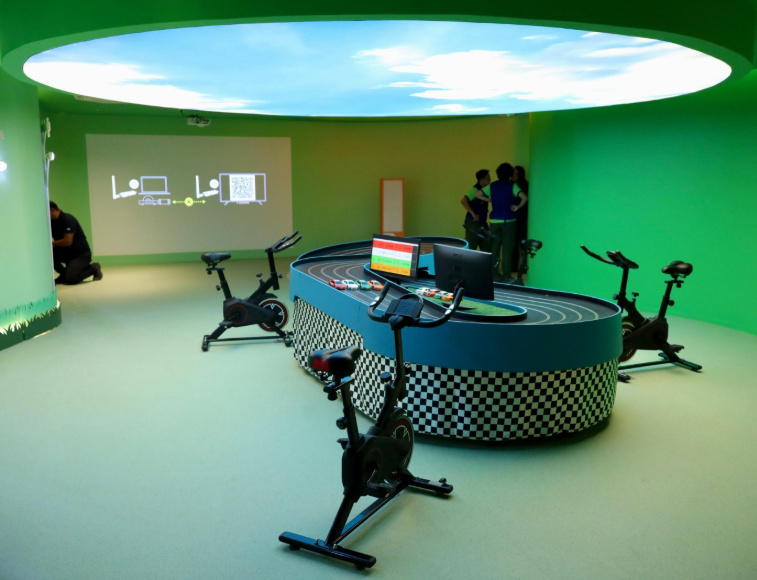

At the booth, visitors can access a dedicated demonstration area featuring the Genius TrackerTM system and GeniusHubTM, GameChange Energy’s on-site software platform.
The GameChange Energy brand reflects the company ́s scope as a horizontally integrated energy infrastructure platform with panel-to-distribution capabilities and a comprehensive module-to-grid vision. This approach delivers clean energy infrastructure and solutions engineered for long-term performance.
The integration is designed to streamline procurement and coordination, reduce supplier interfaces and strengthen accountability across the project lifecycle while preserving customer choice. Developers, EPCs, IPPs, utilities and asset owners can select one GameChange Energy solution or combine several according to the needs of each project.
Oscar Aira, General Manager for Europe and Latin America at GameChange Energy, said. "Europe is one of the world’s most mature and technically demanding renewable energy markets, and it is central to GameChange Energy’s international growth strategy. European customers are managing complex terrain, low PPA prices, grid constraints, hybridisation with storage and intense pressure on CAPEX and LCOE. Our expanded platform allows us to support those customers with globally proven technology, local market understanding and a more integrated approach from early engineering through construction and long-term operation."
Wood Mackenzie Ranks GameChange Energy No. 2 Globally
GameChange Energy arrives at Intersolar Europe following its recognition in Wood Mackenzie's latest Global Solar Tracker Market Share Report as the world's second-largest solar tracker company. The report also ranks GameChange Energy No. 1 in India, Asia-Pacific, Africa and South Africa.
In Europe, GameChange Energy’s global leadership is supported by a project-specific approach tailored to local requirements. The company leverages experience from diverse climates and geographies to help European customers address land constraints, challenging terrain, grid integration, storage requirements, and the need to optimize energy production in response to hourly market pricing and curtailment risk.