
But simply having a backup power source is not enough. The way you integrate it into your property makes all the difference
Before purchasing any backup power system, start with a clear picture of your property's energy consumption. Identify which appliances and systems are critical during an outage — refrigerators, medical equipment, lighting, HVAC units, or security systems.
Calculate your average daily energy usage in kilowatt-hours (kWh). This number will help you determine the right system size, avoid overspending on capacity you do not need, and ensure nothing critical gets left without power when it matters most.
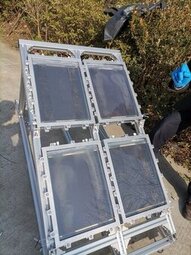
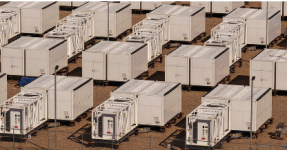
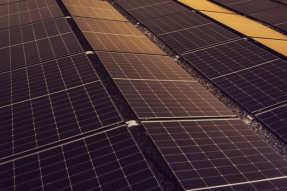
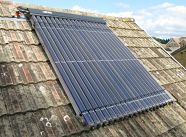
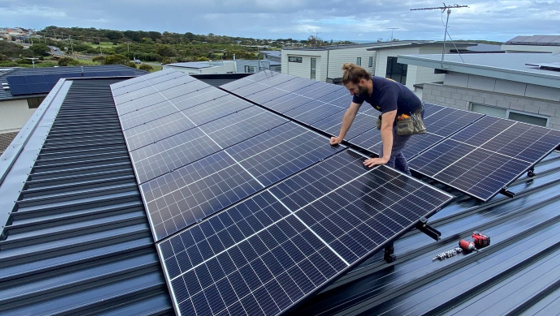
One of the most powerful combinations available today is solar energy paired with a dedicated storage unit. Solar panels generate electricity during daylight hours, and any excess energy that is not immediately used gets stored for later — powering your home through the night or during outages.
This setup dramatically reduces your dependence on the grid and can eliminate electricity bills entirely in many regions. It also qualifies for significant government incentives and tax credits in most countries, making it financially attractive beyond just the energy savings.
Not all backup power systems are built the same. The two most common types are lithium-ion and lead-acid batteries, each with distinct advantages.
Lithium-ion systems are more compact, charge faster, last longer (typically 10–15 years), and require minimal maintenance. They are ideal for residential and small commercial properties.
Lead-acid systems are more affordable upfront but require regular maintenance, take up more space, and have a shorter lifespan. They can be a viable option for properties with tight budgets or temporary needs.
Choosing the right chemistry based on your usage pattern, available space, and budget is a critical step most property owners overlook.
Many homeowners make the mistake of only backing up a few circuits. While this works as a short-term fix, a whole-home integration approach offers much greater resilience and convenience.
With whole-home integration, your backup system seamlessly takes over the moment grid power fails — with no manual switching required. Smart inverters and energy management systems handle everything automatically, ensuring zero disruption to your daily routine.
If a full whole-home setup is outside your current budget, consider a staged approach — start with critical circuits and expand capacity over time as needed.
Installation quality is everything. A poorly installed system can underperform, void warranties, create fire hazards, or fail during the exact moment you need it most.
Always work with a certified energy professional who understands local electrical codes, grid interconnection rules, and safety standards. For example, companies like Winki Energy specialize in tailored backup power integrations, ensuring that every component — from the inverter to the switchboard — is properly configured for maximum reliability and efficiency.
Ask your installer for references, check their licensing, and confirm they offer ongoing maintenance support.
Modern backup power systems come equipped with smart monitoring tools that give you complete visibility over your energy usage — right from your smartphone.
These platforms allow you to:
Smart energy management does not just add convenience — it helps you squeeze every unit of stored energy to its full potential.
Energy needs grow. Whether you plan to add an electric vehicle, expand your property, or install more solar panels, your backup power system should be scalable.
Choose a modular system architecture that allows you to add capacity without replacing the entire setup. A professional battery storage installation assessment at the planning stage can save you thousands in future upgrade costs and prevent compatibility headaches down the road.
Integrating backup power solutions into your property is not just about surviving the next outage — it is about building energy independence, reducing long-term costs, and adding real value to your property. The key is to plan carefully, choose the right technology, work with trusted professionals, and think beyond today's needs.