
The European Commission should set up an energy storage strategy, as infrastructure for storing energy is key for a sovereign, affordable and resilient European Energy Union. This is the request put forward by the EESC in its opinion adopted at the July plenary session and drafted by Thomas Kattnig and Konstantinos Mousouroulis.
“Energy storage facilities are critical infrastructure – just as important as electricity grids or power plants” said Mr Kattnig. “Europe undoubtedly needs a common storage strategy. Without storage, there can be no secure and successful energy transition. And without a storage strategy, there is no European energy sovereignty. The market alone will not deliver the storage capacity Europe needs. Strategic public investment, long-term planning and targeted regulation are indispensable.”
The EU energy system is currently undergoing radical change due to geopolitical, economic, climate and social factors. In the past few years, Russia’s war against Ukraine has revealed the EU’s structural weaknesses. The main issues are fossil-fuel dependence, import reliance, inadequate and ageing grids, and high price volatility. Energy policy has now become a matter of EU sovereignty, economic security, strategic autonomy and social stability.
“In spite of the rapid progress of renewables and efficiency measures, the EU’s gross available energy remains dominated by oil and gas, with a very high rate of import dependency” added Mr Mousouroulis. “Europe’s energy supply must become more independent and more resilient, and storage is central to this effort.”
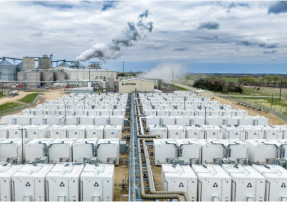
Storage facilities are a key element of a renewable energy system, ensuring security of supply. Increasing the production of energy alone is not enough: storage is crucial to overcome the variability of many renewable sources, such as wind and solar, thus maintaining a reliable supply. When renewable generation exceeds demand, surplus electricity can be stored instead of being wasted. The stored energy can then be used when the output from renewable generation falls.
Energy storage solutions are therefore needed to make Europe less dependent on fossil fuel imports and so stabilise energy prices. They strengthen the security of supply making the energy transition feasible, affordable, socially fair and territorially balanced.
Yet, the EU lacks an overarching strategy for energy storage that integrates fundamental elements such as infrastructure, spatial planning, market design, industrial policy and security. Other important factors include social objectives, network rules, tariff impacts, critical raw material requirements, environmental footprint, affordability, training needs and democratic governance.
Against this backdrop, the Committee calls on the Commission to put forward common guidelines and plans to advance the development of the EU’s storage capacity. As no single storage technology can address all system needs, it is crucial to deploy a coordinated portfolio of complementary technologies, taking into account particular regional circumstances and needs.
More specifically, the EESC urges the Commission to focus on renewables, grids, critical materials, batteries, decentralisation and cybersecurity of energy infrastructure, and to present:
Common guidelines for integrating storage plans into the national energy and climate plans and ensuring the development of storage, proportional to the development of renewable energy sources;
Common guidelines on managing access to the grid and minimising grid expansion requirements and on addressing the market risk problem for grid-scale storage investments;
A strategy for producing and importing critical materials without creating dependencies on any single material and for developing and scaling up the domestic production of battery storage;
Guidelines or legislation for battery storage system maintenance, life extension, reuse and recycling;
guidelines for integrating storage into policies for decentralised solutions, energy communities and vulnerable consumers;
A plan to interconnect storage with the digitalisation and cybersecurity of energy infrastructure, including resilience against cyberattacks and hybrid threats.
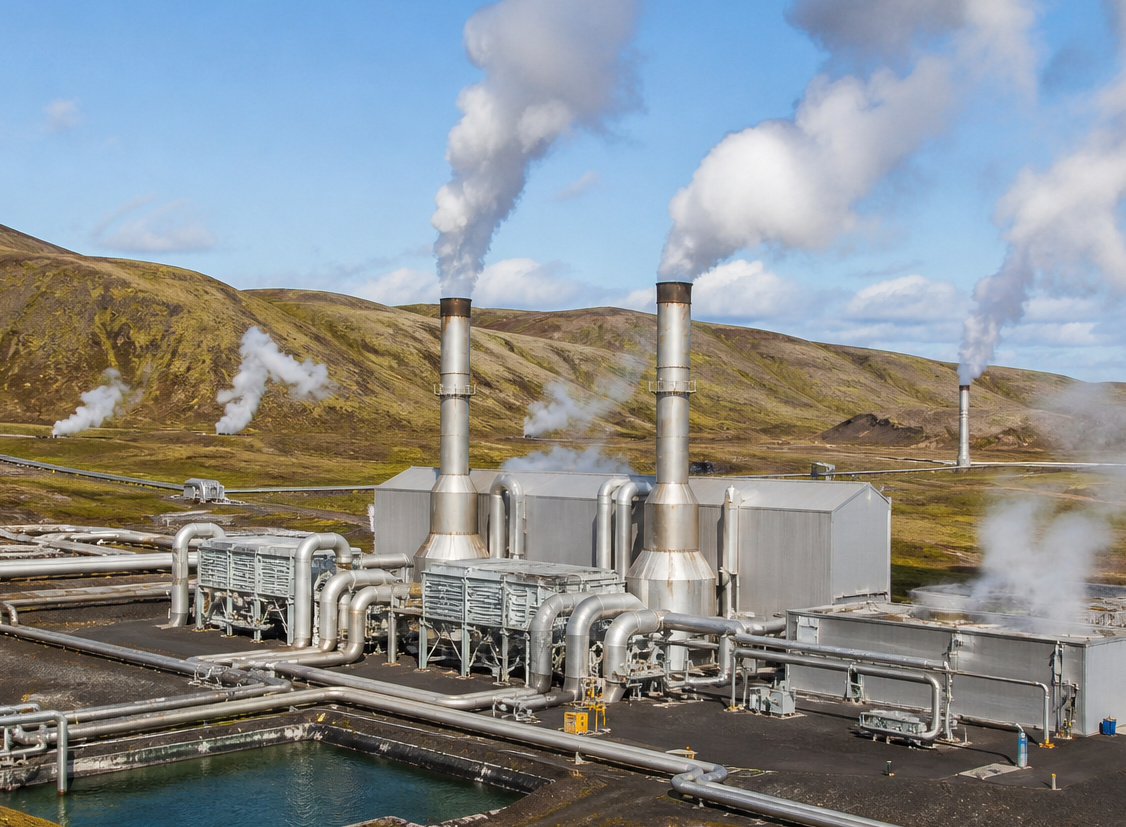
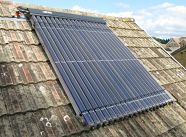
Thermal storage and geothermal solutions are core components of decarbonising district heating systems, so they should also be treated on an equal footing with other storage technologies within the European legal and funding framework.
The Committee stresses that energy storage infrastructure forms part of services of general interest and should be treated accordingly, including through planning and funding instruments and, where appropriate, public ownership or control.
In the EESC’s view, market-based investment alone will not deliver the necessary scale and type of storage to the timescale needed. This is why a wide range of measures are vital such as public strategic planning, complementary public funding, European Investment Bank support, regulated markets, public ownership, but also regulated asset models, public-community partnerships, regulatory frameworks and long-term investment models.
Technological progress should always be linked to high labour and social standards, and, for this reason, the Committee also calls for EU storage policies to support quality job creation, upskilling, technical education and social dialogue.
Finally, the Committee welcomes the Commission’s announcement that the scope of the current National Escape Clause for defence spending could be broadened to reduce dependence on imported fossil fuels and so contribute to Europe’s security and defence. This is particularly important as it gives Member States the additional flexibility to invest in storage technology and green energy infrastructure.
For additional information: