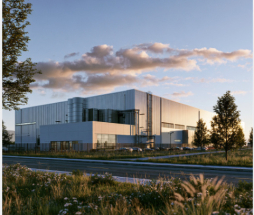


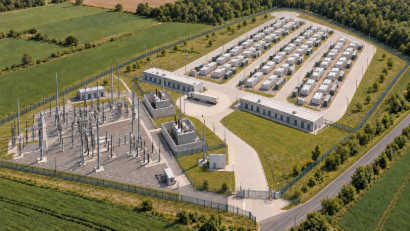
With a planned output of 400 MW and a storage capacity of 1,600 MWh, Stadorf ranks among the largest battery storage projects in Germany.
Following the signing of the connection construction agreement earlier this year, the grid connection agreement marks a further significant step towards delivering the project. Together, the two agreements establish the key contractual framework for construction and subsequent operation of the grid connection.
The BESS will have a storage duration of four hours and will be connected directly to the extra-high-voltage grid. It will be able to store electricity during periods of high generation or low demand and release it back to the grid when needed.
Stadorf will make an important contribution to integrating renewable energy, increasing the flexibility of the power system and making efficient use of existing energy infrastructure.
“Signing the grid connection agreement marks another milestone for Stadorf” said Michael Zimmermann, Managing Director of Elements Green Deutschland. “Together with the connection construction agreement, we now have the key contractual foundations in place for connecting this 400 MW project to the grid. This is significant progress for Elements Green and underlines our ability to successfully advance complex energy infrastructure projects of this scale.”
Stadorf is part of Elements Green’s extensive German battery storage pipeline. The company is developing several large-scale battery storage projects for connection to the extra-high-voltage grid and is pursuing a long-term strategy as an integrated developer, investor and operator of energy infrastructure.
“Germany needs not only additional renewable generation capacity but, above all, the high-performance and flexible infrastructure to make the energy transition a technical and economic success” Mr Zimmerman added. “Large-scale battery storage systems such as Stadorf will play a central role in this.”
With the key grid connection agreements now in place, Elements Green is focusing on the next stages of technical and commercial implementation. This includes detailed planning of the grid connection infrastructure, preparations for construction and continued coordination with the project and technology partners involved.
For additional information: