

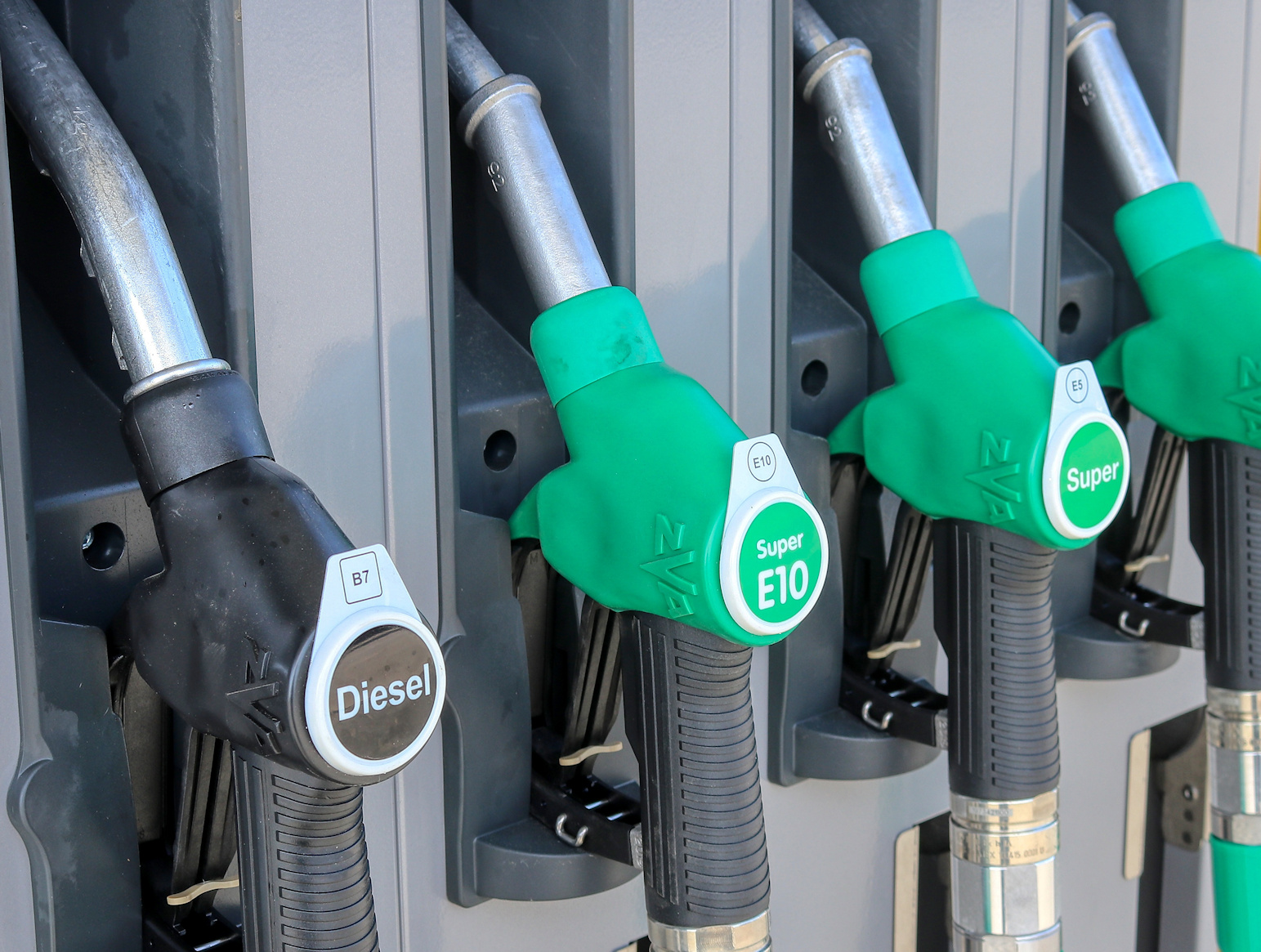
Beginning May 1, 2026, EPA’s waivers will work to prevent disruption in America’s fuel supply by keeping E15 on the market and giving Americans more fuel options. EPA is issuing the waiver notice to allow fuel industry stakeholders adequate time to transition the fuel distribution system. As required by the CAA, EPA and DOE evaluated the current situation and determined that granting the waiver was in the public interest.
“EPA is working with our federal partners to reduce unnecessary costs and uncertainty and ensure that gas prices remain affordable for all Americans through the summer. This emergency action will provide American families with relief by increasing fuel supply and consumer choice,” said EPA Administrator Zeldin.
U.S. Secretary of Agriculture Brooke L. Rollins. said, “While today’s announcement is great news for farmers, year-round E-15 is essential for the farm economy, and Congress needs to find a common sense solution that provides much needed certainty to consumers and farmers."
The emergency fuel waiver will temporarily waive the summer low volatility requirements and blending limitations for gasoline to provide additional flexibility to the fuel marketplace. This will increase fuel supply and provide a variety of gasoline fuel blends to choose from without changing environmental protections already in place. E15 is currently offered at over 3,000 gas stations nationwide, where it serves as a more affordable choice for Americans.
The EPA is also waiving federal enforcement of all state “boutique” fuel requirements for gasoline, allowing the production and distribution of gasoline with 9 to 15 percent ethanol content at a single common Reid Vapor Pressure (RVP) standard of 10 psi across the nation. EPA’s actions will go into effect on May 1, 2026, for most states, and will initially remain in place through May 20, 2026. This 20-day window is the maximum number of days allowed under the CAA.
EPA said it will continue to monitor the fuel supply with industry and federal partners. The agency will be ready to extend the emergency fuel waivers as long as the fuel supply circumstances warrant such action.