
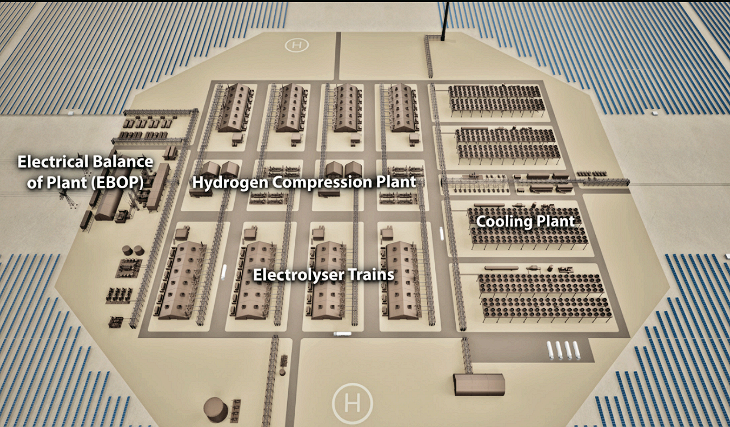
The P2(H2)Node standardized architecture will streamline the green hydrogen industry by replacing bespoke projects with a uniform approach. Removing complexity and increasing repeatability will ensure all projects can access the lowest cost of production.
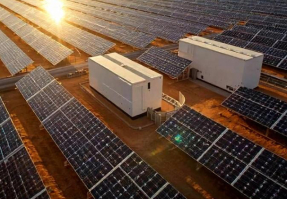
Conventional centralized models require expensive electricity transmission, leading to energy losses and inefficiencies. The patented P2(H2)Node system flips this model by collocating giga-scale hydrogen production with wind and solar farms, ensuring power is used where it’s generated.
This system lowers production costs by 10-20%, which will enable faster large-scale hydrogen adoption for industries such as green iron, fertilizers, power, shipping and aviation fuels.
Powering the World’s Biggest Hydrogen Project
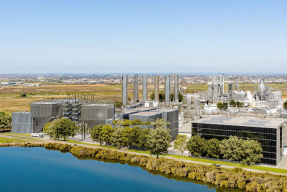
The P2(H2)Node architecture is the backbone of Australia’s groundbreaking Western Green Energy Hub (WGEH). Designed to produce and export green hydrogen and ammonia, WGEH boasts a planned 70GW renewable energy capacity - positioning it as the world’s largest and most cost-efficient green hydrogen hub. With the support of newly announced Australian Government hydrogen incentives, WGEH is projected to drive down production costs for green ammonia below $650 per ton, unlocking transformative investment opportunities and job creation.
Accelerating the Global Hydrogen Economy
With demand for green hydrogen set to surge, the P2(H2)Node system offers a global, scalable, cost-efficient model for providing green molecules to the hard to decarbonize heavy industry and transport sectors.
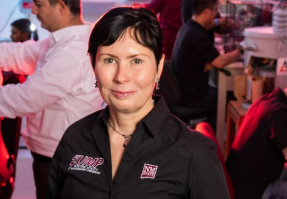
"We are proud that our team in Perth has developed this globally significant technology. The P2(H2)Node architecture is a breakthrough in clean hydrogen production. By eliminating transmission losses and leveraging a modular approach, we are making green hydrogen cost-competitive at scale for the planet" said Alexander Tancock, CEO at InterContinental Energy. "This technology comes at a time when Australia is poised to become a global leader in e-fuels and green iron."