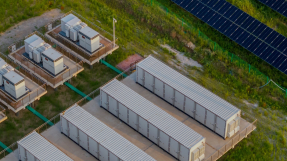


Based on PowerCell's containerized PowerPod 3000 platform, the installation will comprise 27 MW of installed fuel cell capacity and deliver 20 MW of rated power. Delivery is expected over 18–24 months.
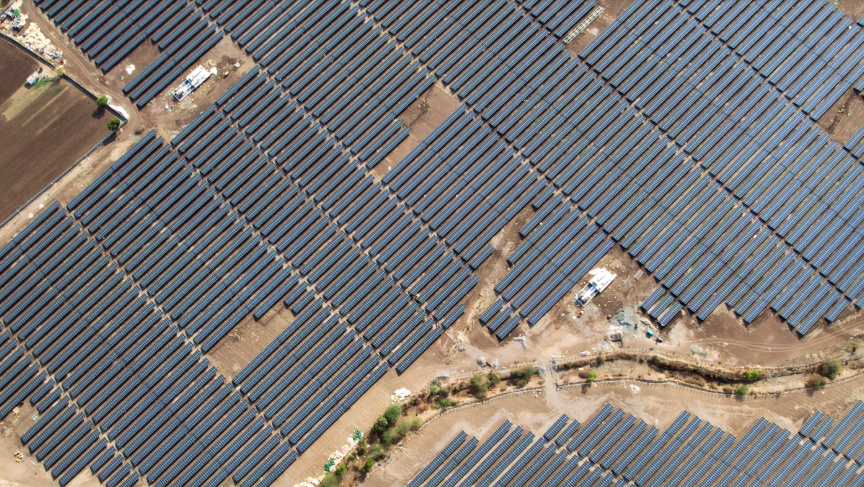
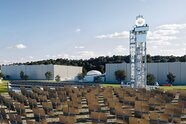
The installation will form part of the customer's renewable energy system, where excess solar-generated electricity is used to produce green hydrogen for long-duration energy storage. The stored hydrogen can then be converted back into electricity through PowerCell's PEM fuel cells at night, during periods of low solar generation, or when additional power is needed.
By extending the availability of solar energy beyond the hours of generation, the system increases the utilization and value of the customer's renewable energy assets while providing dispatchable power when needed.
The fuel cell installation will also generate water as part of the electrochemical conversion of hydrogen into electricity. This creates an opportunity to recover and reuse water within the broader energy system, potentially reducing its net water requirements. In regions where water availability is an important consideration, the ability to generate both electricity and recoverable water adds another dimension of value to hydrogen-based energy storage. The amount of water recovered, and its potential uses will depend on the final system configuration, operating conditions and water treatment requirements.
Industrialized technology for utility-scale power generation
PowerCell will supply and integrate the fuel cell power generation installation within its agreed scope, converting green hydrogen from the customer's energy storage system into electricity. The parties also intend to enter into a dedicated service level agreement prior to commissioning.
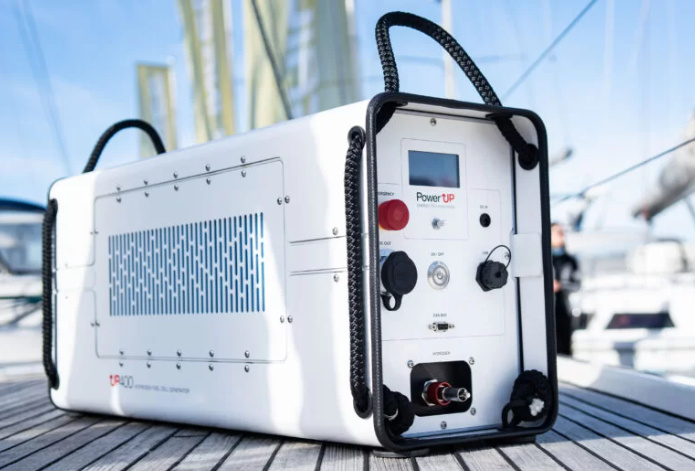
The installation is based on PowerCell's PowerPod 3000, a containerized power generation platform integrating our PS190 systems with power conversion equipment, cooling and DMC, PowerCell's control and Energy Orchestration technology.
The modular architecture combines 27 MW of installed fuel cell capacity with 20 MW of rated power, providing a scalable platform designed for high availability, operational flexibility and efficient utilization of the fuel cell systems. The project demonstrates how hydrogen can complement other energy storage technologies by storing excess renewable energy over longer periods and making it available when generation and demand do not coincide. The integration of renewable generation, hydrogen storage, dispatchable electricity and water recovery illustrates the potential for more resilient and resource-efficient energy systems.
Establishing Power Generation as a major growth segment
"For PowerCell, this order represents an important step in establishing Power Generation as our second major segment alongside Marine. It demonstrates how our industrialized PEM technology, system integration and Energy Orchestration capabilities can create value at utility scale. What makes this application particularly interesting is the combination of energy and water.," says Richard Berkling, CEO of PowerCell Group.