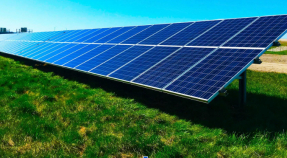



The results of the Nov. 3 midterm elections could mark a turning point for renewable energy development in the United States. With Democrats gaining control of both chambers of Congress and making advances in several state governments, the solar, wind and energy storage industries are entering a new political environment that could influence investment and project development for years to come.
For renewable energy developers, the most significant change may be the prospect of greater policy stability. The Trump administration's efforts to scale back clean energy incentives and restrict certain renewable energy projects have created uncertainty for companies making long-term investment decisions. Democratic control of Congress will provide new opportunities to challenge those policies, although the administration will retain considerable authority over federal permitting and regulatory decisions.
While congressional changes will attract national attention, some of the most consequential developments may occur at the state level.
In Michigan, Democratic victories have strengthened the political position of the state's existing clean energy policies. In Georgia, Democrats gained control of the Public Service Commission, which oversees important utility investment and electricity planning decisions. Changes in utility commission membership in Arizona could also bring greater scrutiny to electricity rates and infrastructure spending.
These developments matter because state regulators frequently determine whether utilities can move forward with renewable energy purchases, transmission improvements and new generating facilities.
For developers, a supportive regulatory environment can be just as important as federal financial incentives.
The elections also demonstrated how closely energy policy has become connected to household expenses.
Rising electricity prices and growing demand from data centers have placed new pressure on utilities and policymakers to expand generating capacity without imposing excessive costs on consumers.
Solar and wind developers see an opportunity to demonstrate how renewable generation, combined with battery storage, can help meet increasing demand while reducing exposure to volatile fuel prices.
However, renewable energy projects must still compete on cost, reliability and the ability to connect to an increasingly congested electricity grid.
Despite the political changes, the industry faces substantial obstacles.
Federal tax incentives remain subject to existing legislation, and reversing previous policy decisions would require cooperation between Congress and the White House. Offshore wind projects, in particular, remain vulnerable to federal permitting decisions.
Meanwhile, lengthy interconnection queues, transmission shortages and local opposition continue to delay renewable energy installations across the country.
Efforts to streamline energy infrastructure permitting could also become more complicated as lawmakers reconsider legislation developed before the elections.
For investors and developers, the immediate significance of the election may be less about dramatic policy reversals than about the possibility of a more predictable operating environment.
Companies will be watching how the incoming Congress approaches clean energy incentives, federal oversight and infrastructure permitting. Equally important will be decisions by state regulators concerning utility investments and renewable energy procurement.
The November elections have changed the political balance, but the practical effects will emerge gradually.
For the renewable energy industry, the next challenge will be turning those political changes into projects that can secure financing, obtain permits and deliver electricity to the grid.