

To get the best return on investment (ROI) from renewable energy during renovation, homeowners need a strategic approach. Explore how to plan, budget and execute clean energy renovations that pay off both financially and environmentally.
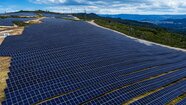
Many homeowners hesitate to invest in renewable energy because of the perceived high costs. However, the actual value of clean energy lies in long-term savings, not short-term expenses. Solar panels, heat pumps, smart thermostats and energy-efficient appliances can significantly cut utility bills over time. Solar panels, in particular, can save the average homeowner between $10,000 and $30,000 over their system’s lifetime, depending on location and energy usage.
More than just utility savings, homes with renewable energy features also tend to sell faster and at a premium. In fact, across the U.S., homes with solar panels sell for about 6.9% more, adding roughly $25,000 to the sale price on average. This added market value contributes directly to ROI, making clean energy a sustainable and profitable choice.
Before selecting solar panels or geothermal systems, homeowners must establish a clear renovation budget that accounts for traditional improvements and renewable energy upgrades. This step is often overlooked in the excitement of going green, but it's essential for keeping costs in check.
By intentionally including energy-efficient features in the initial budget, sustainability becomes a core part of the renovation, not an afterthought. This approach helps prevent unexpected expenses and ensures the project runs smoothly from design to completion.
Working with an architect or contractor experienced in green building can help identify which energy upgrades are feasible within budget and which offer the most significant return. For instance, upgrading insulation and windows might be more cost-effective and impactful than installing solar panels in some cases.
To get the most value from clean energy upgrades, homeowners should focus on improvements that deliver substantial savings without high upfront costs. A certified energy audit can reveal where small changes, like sealing leaks or upgrading to ENERGY STAR appliances, will have the biggest impact. These lower-cost fixes often outperform expensive overhauls in terms of ROI.
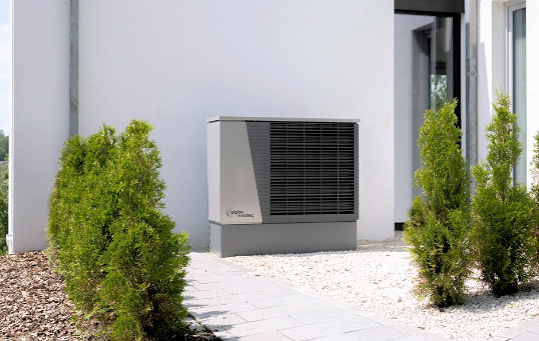
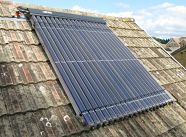
Smart swaps, such as replacing outdated heating, ventilation, and air conditioning (HVAC) with heat pumps or choosing solar water heaters over full PV systems, can stretch a renovation budget while reducing energy use, making sustainability both smart and economical. The same is true with swapping outdated appliances that draw tremendous power with energy-efficient counterparts like smart dishwashers, microwaves and garbage disposals. These upgrades are usually fully energy-efficient, prioritizing energy improvements.
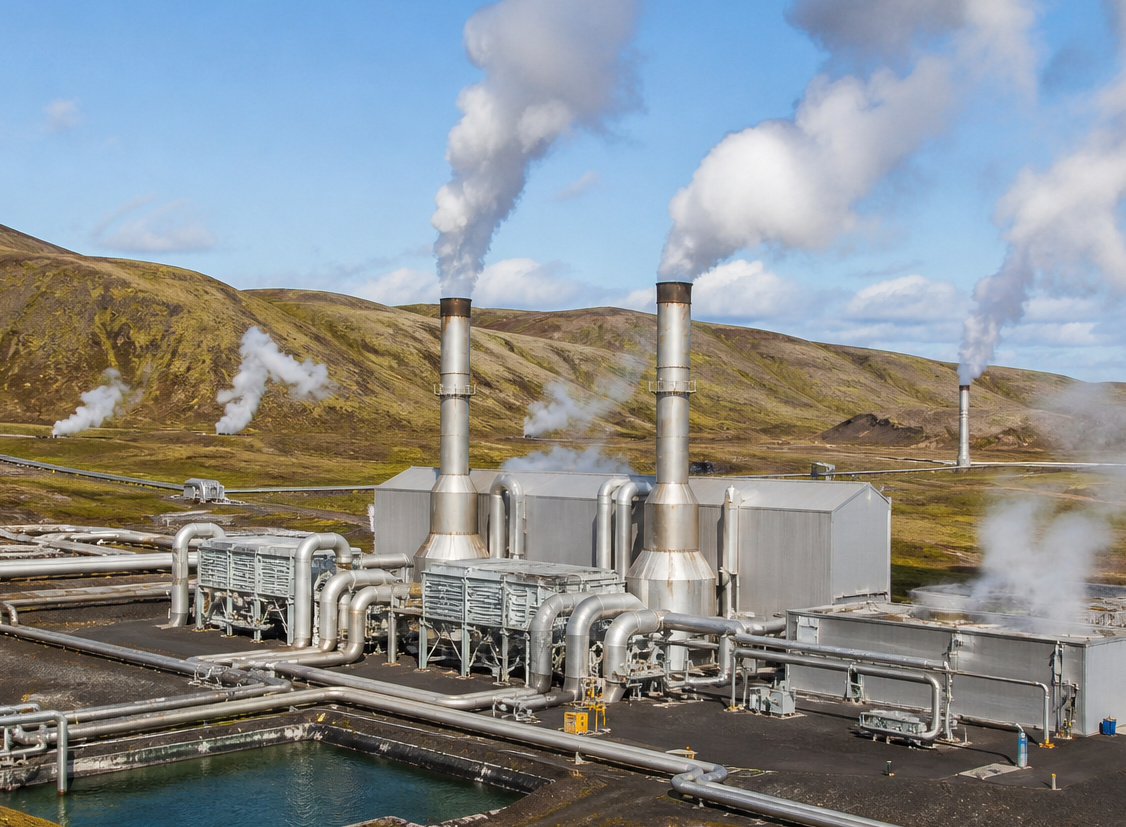
Government incentives can still significantly reduce the cost of renewable energy renovations and boost overall returns. In the U.S., the federal Residential Clean Energy Credit offers up to 30% back on qualified expenditures for solar, wind, geothermal and battery storage systems through 2032.
Additionally, many states, cities and utilities offer rebates for energy-efficient upgrades. These incentives can also accelerate the break-even point of the investment, allowing homeowners to start seeing net savings sooner.
When possible, it’s wise to choose renewable systems that can scale over time. Homeowners may not have the budget to go fully solar or install a geothermal heat pump during one renovation, but choosing systems with upgrade pathways can future-proof the investment.
For example, solar-ready roofs with the correct pitch, orientation and wiring make it easier and cheaper to install panels later. Similarly, opting for a hybrid HVAC system allows for a full transition to renewable heating when budget or incentives allow.
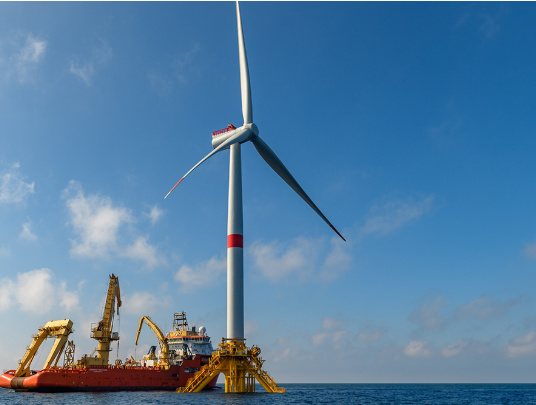
Global leaders like Denmark show what long-term planning can achieve. With over 4,800 wind turbines, the country harnesses its natural wind resources for significant energy gains. Homeowners can follow suit by choosing systems that match their local climate — like solar in sunny areas or wind in breezy regions — to boost efficiency and maximize returns.
ROI doesn’t stop at installation. Homeowners need to monitor energy performance and optimize usage habits to maximize their clean energy investments. Smart energy monitoring systems like Sense provide real-time feedback on electricity use, helping residents identify waste and fine-tune consumption.
Simple behavioral changes like using high-energy appliances during daylight hours when solar output is highest can also further enhance savings. Over time, consistent attention to energy usage patterns ensures renewable investments continue to deliver returns.
Renovating with renewables is a team effort. Architects, builders, energy consultants and installers all play a role in maximizing ROI. Hiring professionals with a track record in energy-efficient or green building is important. Accreditations like Leadership in Energy and Environmental Design (LEED) can serve as trust indicators.
Homeowners should ask potential contractors about past renewable projects, their experience with permitting and incentives, and whether they offer performance guarantees or warranties. The right team will ensure quality installation and can also help navigate financing options like green mortgages or energy-efficient renovation loans.
Incorporating renewable energy into a home renovation is no longer just for the eco-conscious — it’s a financially sound strategy when done right. By planning carefully, taking advantage of incentives, prioritizing high-ROI upgrades and choosing flexible systems, homeowners can future-proof their properties and enjoy long-term savings.
Whether updating a kitchen, finishing a basement or reimagining an entire home, weaving in clean energy solutions can deliver immediate comfort and long-term returns. The key is to start informed, stay intentional and work with the right professionals to turn a vision into a smart, lasting reality.