


The November 2026 midterms changed the balance of power in Washington, as Democrats now have control of both chambers of Congress. The incoming majority could influence how the federal government approaches renewable energy.
The changed Congress will begin its term in January 2027, leaving the current Republican-controlled Congress in place through the end of the year. This transition gives Democrats time to prepare their legislative priorities, but their ability to immediately influence federal policy remains limited.
A Democratic majority could increase oversight of the Trump administration and make it harder to advance further measures that weaken clean energy programs. Congressional hearings, investigations and legislative scrutiny could put greater pressure on federal agencies implementing the current administration’s energy agenda.
However, congressional control alone doesn’t guarantee a reversal of existing renewable energy policies. President Trump retains veto power, which creates a substantial obstacle to new legislation that conflicts with his priorities. Analysts have consequently advised that a divided government may produce more resistance to additional rollbacks but not necessarily prompt new federal support for renewable energy.
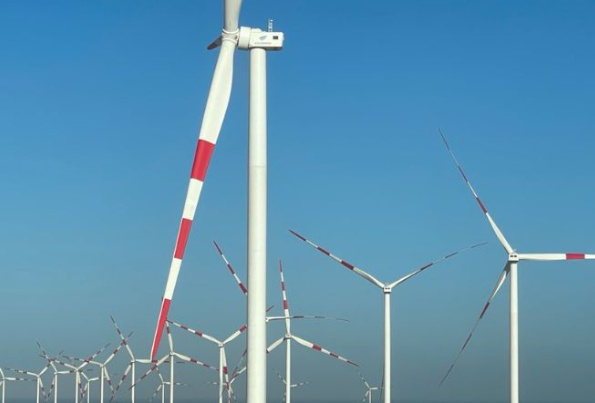
President Trump classified imported wind turbines and their parts as a U.S. national security threat in an October 22, 2026 proclamation. Officials made the decision after a Section 232 probe by the Commerce Department assessed national security risks associated with specific imports.
The proclamation directs the U.S. Trade Representative and the Department of Commerce to negotiate with overseas trading partners on wind turbine imports. They must provide the president with an update on those negotiations within 180 days, placing the deadline around April 20, 2027.
The announcement doesn’t introduce new tariffs on imported wind turbines or their components. However, it leaves the president free to pursue alternative measures after reviewing the negotiations. These could include additional import restrictions or tariffs, depending on the administration’s assessment.
The proclamation also leaves existing Section 232 tariffs on covered steel, aluminum and copper products in place. This is important for manufacturers because the new announcement creates a negotiation process rather than an immediate increase in duties on wind equipment.
The White House identifies several reasons for treating imported turbine equipment as a national security concern. One involves cybersecurity risks associated with foreign-made inverters, which help convert the electricity generated by turbines into a form compatible with power grids. The administration argues that vulnerabilities in these systems could expose critical electricity infrastructure to security threats.
There’s also concern about radar interference. According to the proclamation, wind turbines can affect radar performance, with potential consequences for military operations, air traffic management and weather forecasting. The administration also points to limited growth in domestic blade manufacturing. It argues that U.S. manufacturing of key turbine parts, such as blades, hasn't grown much, even as dependence on international vendors increases.
The scale of that reliance is shown in trade figures. The U.S. imported approximately $1.8 billion worth of wind turbines and related components in 2024. Major suppliers included Mexico, France, India, Denmark and Germany. These findings establish the administration’s case for greater domestic production. However, industry groups have raised questions about how import restrictions could affect manufacturers and the wider renewable energy networks.
Expanding renewable energy infrastructure is essential to reducing carbon emissions, but high component and material costs also place demands on manufacturing and the supply chain. The U.S. needs enough domestic production capacity to support new wind energy projects while maintaining access to materials and components from overseas suppliers. This creates a challenge for policymakers seeking to strengthen domestic production without compromising import routes.
Wind turbine manufacturing relies on several industrial materials, including steel, aluminum and copper. These metals are used across different components and supporting infrastructure, so their availability is important to the wider manufacturing sector.
Data from the U.S. Geological Survey indicates that foreign imports accounted for 60% of America's aluminum consumption in 2025. Michigan-based Warner Brothers Foundry Company, which casts aluminum and other nonferrous alloys, maps the main sources in a guide to where the U.S. gets its aluminum. Canada, the United Arab Emirates, Bahrain, Germany and Russia are among the countries that supply aluminum to the country. The company also reports that Canada contributes significantly to the 80% of aluminum the U.S. imports.
Expanding domestic production capacity could strengthen access to essential industrial materials for many American manufacturers. Tariffs on imported metals can also raise material costs for manufacturers that rely on international suppliers. This may become another consideration for businesses weighing the benefits of domestic sourcing against the availability and cost of imported resources.
The administration’s national security position has drawn criticism from parts of the renewable energy industry. The American Council on Renewable Energy (ACORE), for example, argues that wind energy itself contributes to U.S. industrial and defense capabilities.
ACORE spokesperson Chris Higginbotham said the wind sector supports demand for domestic steel, aluminum and copper, as well as shipbuilding. These industries also contribute to the country’s industrial defense base. From this perspective, wind development supports several manufacturing activities that the administration aims to strengthen.
Some experts have also questioned the administration’s concerns about radar interference. They point to the Department of Defense’s existing review process, which evaluates energy installations and their potential effects on military operations. This process was designed to identify and address conflicts before projects move forward.
The disagreement raises questions about how the administration will balance import restrictions with the needs of domestic manufacturers. Limiting access to overseas equipment could create opportunities for U.S. producers, but manufacturers and developers still need a dependable supply of components to keep projects moving.
The import proclamation arrives during a difficult period for U.S. wind development. The Trump administration has already taken several steps affecting offshore leasing, project approvals and construction.
President Trump withdrew federal offshore areas from consideration for new wind energy leasing and ordered a review of federal wind leasing and permitting practices in January 2025. This directive also paused certain new and renewed federal approvals for onshore and offshore projects.
The situation escalated in December 2025, when the Department of the Interior suspended activities at five large offshore wind projects, citing national security concerns involving radar interference. Project developers challenged the order in court, and federal judges subsequently allowed construction activities to resume.
Wind permitting has also faced difficulties involving Pentagon reviews. Disagreements over national security assessments and the approval process have added uncertainty for developers seeking federal authorization. These issues have made it harder for the industry to plan projects and investment in an unpredictable regulatory environment.
These developments show how trade policy, federal permitting and national security reviews can affect wind development at different stages. Manufacturers already navigating changes in the industry’s regulatory landscape must now account for the latest proclamation.
Democratic control of Congress could create greater resistance to federal policies that disadvantage renewable energy, but the president's veto power limits the party’s ability to enact new protections. Meanwhile, the administration’s wind import proclamation leaves the industry waiting for the outcome of trade negotiations.
U.S. manufacturers need to increase domestic production while maintaining access to materials, equipment and international suppliers. Democratic majority in the House and Senate will hopefully influence the administration’s trade decisions, shaping policies that support American manufacturing and keep the wind supply chain reliable and competitive.