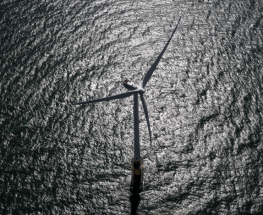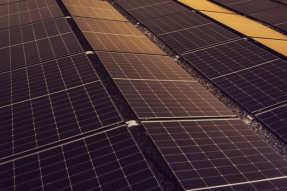


The latest research from Xingpeng Li, associate professor at the Cullen College of Engineering, aims to make power grid batteries more efficient as solar and wind power expand.
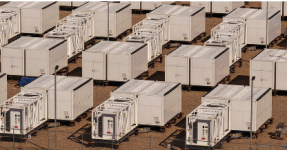
These sources increasingly depend on battery energy storage systems to balance swings in energy supply, which is stored when energy is high and released when output drops. The problem is batteries degrade over time, reducing their performance and efficiency, which makes it difficult for grid operators to know when to use them.
“The growing use of alternative energy and battery storage in bulk power systems and small-scale microgrid systems, where solar and wind fluctuations make reliable scheduling more challenging,” Li said. “A key motivation was that batteries degrade over time that may affect the system performance especially in later years when battery capacity reduced greatly, so we developed a smarter way to include battery aging in energy planning without making the optimization too slow.”
Li and his team addressed this problem by developing a specialized AI-based model that predicts how batteries degrade under real-world conditions.
The model accounts for various factors that affect battery health, which includes temperature, charge rates and overall usage patterns. Traditionally, simple battery-aging assumptions have been used widely.
Li’s method offers a more accurate picture of how quickly a battery will wear down; however, while the models can improve predictions, they are often too complex to use in real-time energy planning.
“Charging and discharging at the right times helps store excess renewable energy and release it when demand is high or renewable output is low,” Li said. “It also reduces unnecessary battery wear, which can extend battery life and lower system costs. It will also better enhance grid overall efficiency and reliability.”
To address the issue, the team helped design a streamlined version that removes less important connections within the neural network to create a simplified system that maintains accuracy while reducing demands.
That allows the system to incorporate battery degradation predictions into energy scheduling, resulting in faster, more informed decisions about when to charge or discharge batteries.
“AI can help predict battery degradation based on how batteries are discharged and charged, allowing operators to make faster and more informed scheduling decisions,” Li said. “By using sparse AI neural network, the model keeps much of the accuracy of deep learning while reducing computational burden, making it more practical for day-ahead and real-time operations.”
Li said this process could potentially lead to lower prices for electricity.
“For consumers, this could mean a more reliable grid, better use of alternative energy and lower electricity costs over time,” he said. “Smarter battery scheduling can also reduce congestion and improve the stability of renewable-heavy power systems.”