
The Dutch measure
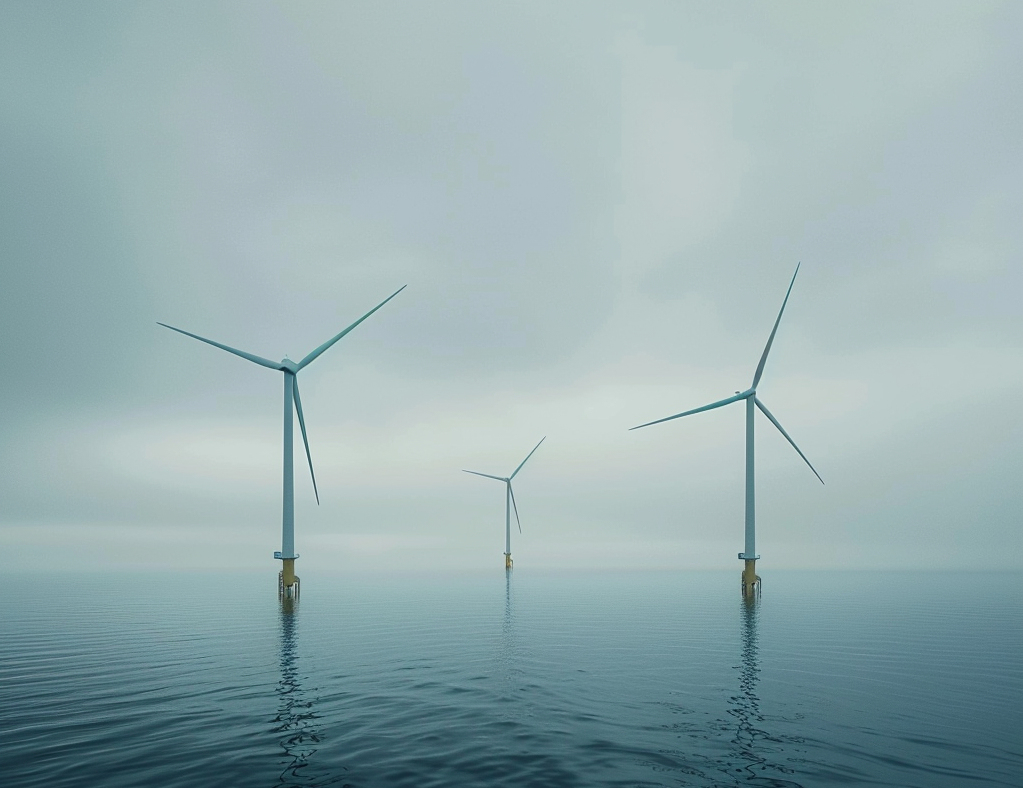
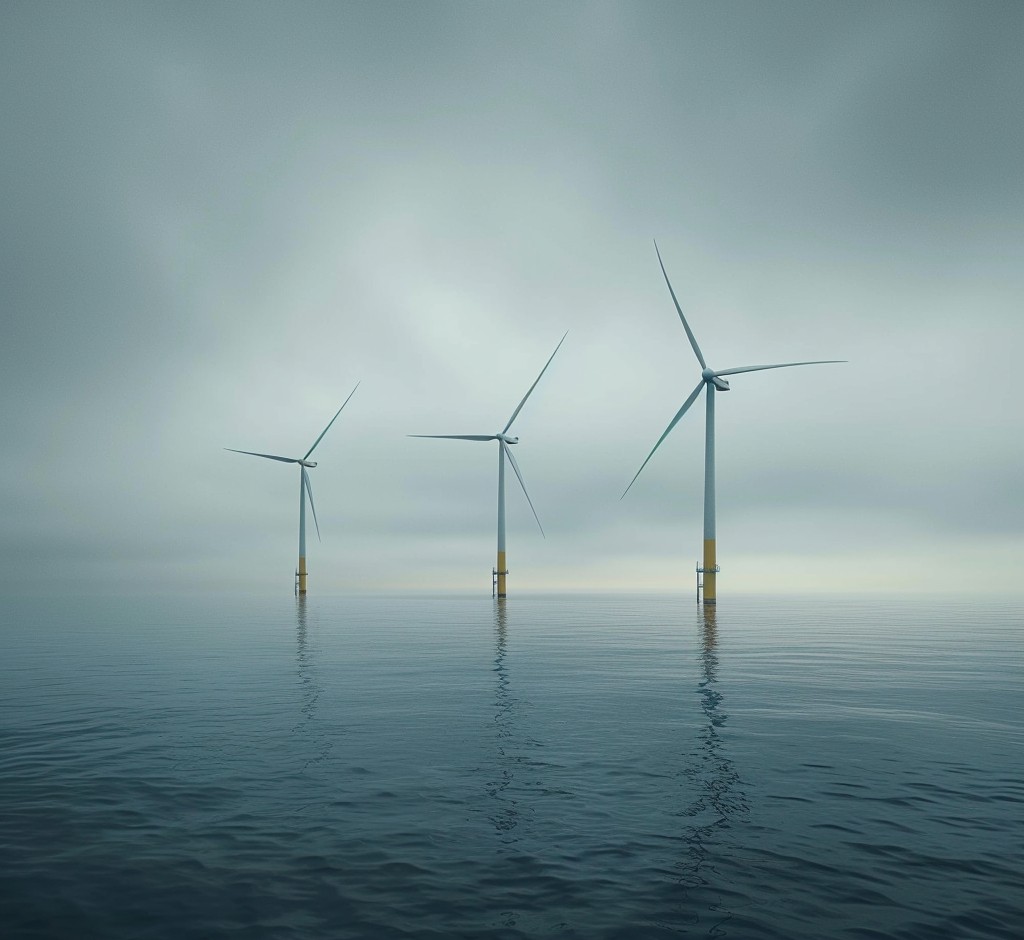
The Netherlands notified to the Commission a scheme, Tijdelijk Ondersteuningsmechanisme Windenergie Op Zee (‘TOWOZ'), to support renewable electricity production from two offshore wind farms in the North Sea: IJmuiden Ver Gamma-A and IJmuiden Ver Gamma-B. The two wind farms have a combined capacity of 2 GW and are expected to generate up to 7,441 GWh of renewable electricity per year.
The scheme covers two offshore wind tenders to be organized before July 2027 where, if necessary, support will be paid for 15 years from the start of operations, which is expected in 2032. The scheme has a maximum budget of €9.45 billion.
The aid will be granted through a transparent and non-discriminatory bidding process. The Netherlands will organize a tender in which bidders can either bid to develop the project without aid by offering a concession payment to the State for the site or request an aid premium in order to develop the project on the site.
Only if there are no bids for a concession payment, will the Dutch government consider bids requesting an aid premium. In that case, bidders will compete on the basis of the lowest bid price for a variable aid premium on top of the market price. There will be one winner per tendered site. The Net Zero Industry Act criteria will be included as tender prequalification criteria: there will be a requirement to diversify wind turbine and main specific components supply chains to reduce dependency on imports from outside Europe, in order to strengthen resilience.
The aid takes the form of a variable premium paid on top of market revenues at times when electricity prices are too low to cover the cost of electricity production. The scheme includes safeguards to avoid overcompensation, including a bid cap and a claw-back mechanism where part of the aid must be repaid if market prices are higher than the beneficiary's contracted strike price.
The Netherlands estimates that the two projects together will avoid around 147 million tons of CO2 equivalent over their lifetime.
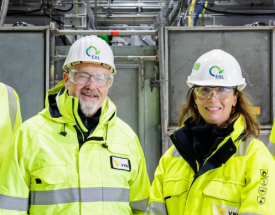
Teresa Ribera, Executive Vice-President for Clean, Just and Competitive Transition, said, "Every euro invested in homegrown clean energy makes Europe more energy-independent and our industry more competitive. Today’s decision unlocks €9.5 billion in Dutch support for two major offshore wind projects in the North Sea, bringing more clean electricity to the grid, cutting emissions and reducing our reliance on imported fossil fuels."
The Commission's assessment
The Commission found that: